“He who is skilled in defence hides in the most secret recesses of the earth; he who is skilled in attack flashes forth from the topmost heights of heaven.”
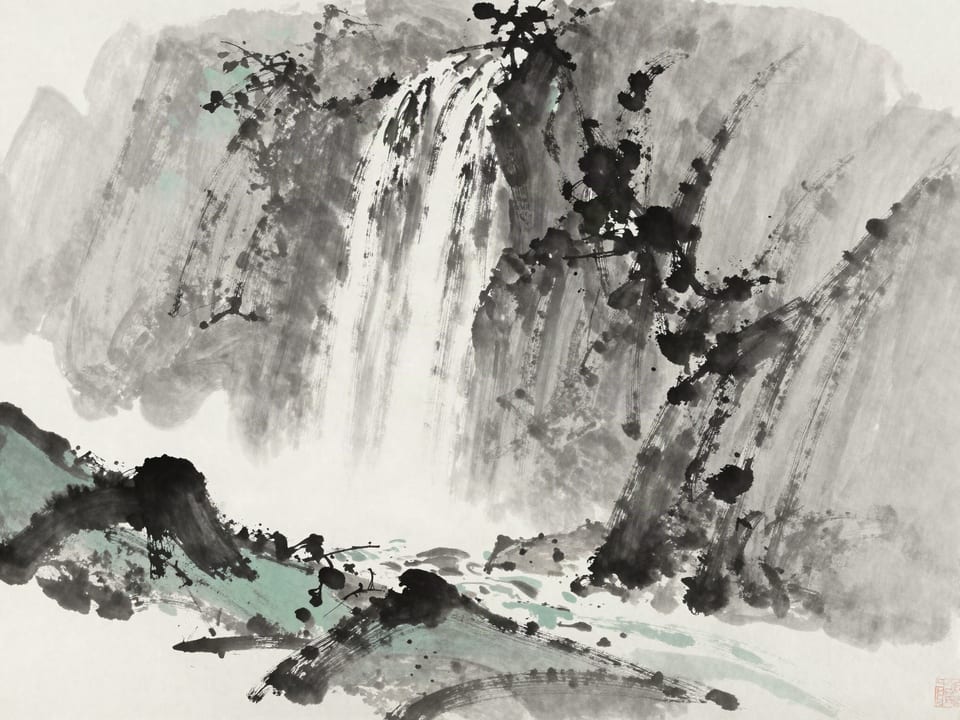
Defense should be invisible; attack should be unexpected and overwhelming from above.
Chapter 4 renders its two modes as imagery: the defender hides in the most secret recesses of the earth, the attacker flashes forth from the topmost heights of heaven. The pictures carry the doctrine — defense that can be seen is an invitation, and attack that can be seen is a warning. Between concealment and suddenness lies the whole tempo of the chapter.
A company telegraphs its attack by hiring: twenty engineers recruited openly into a new division named after the market it intends to take. Rivals have four quarters of warning and a year of pricing moves. The counter-example built quietly — a small team under an innocuous project name, vendor contracts signed quietly, launch announced with the product already shipping. Same market, same ambition: one flashed from the heights, one climbed in plain clothes.
Hidden defense does not mean ashamed or unacknowledged strength — investors and talent still need to know you are sound. The concealment is tactical: which specific readiness you keep unadvertised, so it cannot be probed or priced. And the heights’ flash requires having actually climbed — drama without altitude is just noise.