“When the higher officers are angry and insubordinate, and give battle on their own account from resentment, the result is ruin.”
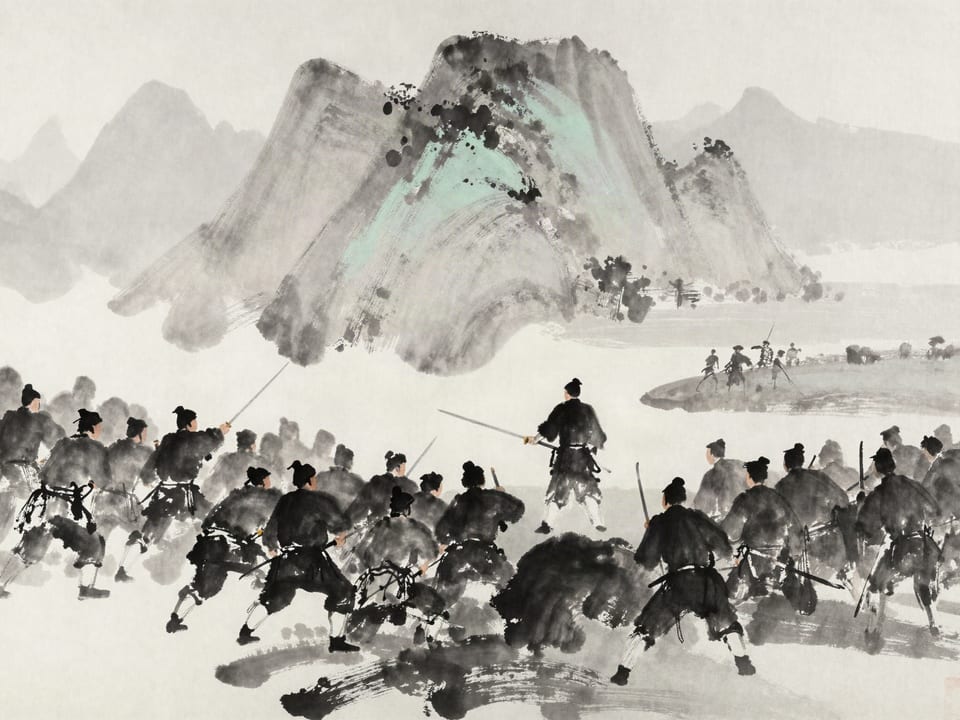
When officers fight from pique instead of orders, the army is ruined; channel resentment into command.
Chapter 10’s calamity of ruin is personnel-shaped: higher officers angry and insubordinate, giving battle on their own account from resentment. The structural insight is that insubordination rarely announces itself as refusal — it announces itself as action. The officer still fights; he just fights his own war, at the time of his choosing, for reasons of his own.
A sales VP, passed over and furious, "takes matters into his own hands": a monster discount to his biggest account to hit his number, against pricing policy, without approval. It is insubordination wearing the costume of initiative — a battle given on his own account. The deal closes, the precedent spreads through the team, and the pricing authority of the whole company is the casualty. The ruin was internal before it was ever market-facing.
The remedy is not crushing all initiative — Chapter 8 explicitly blessed refusing the sovereign’s bad orders, and Chapter 5 wants people who act. The discriminator is resentment: action from analysis serves the mission; action from pique serves the grievance. Command’s job is to notice which fuel is burning before the battle, because afterward the distinction is academic.