“If you know the enemy and know yourself, your victory will not stand in doubt; if you know Heaven and know Earth, you may make your victory complete.”
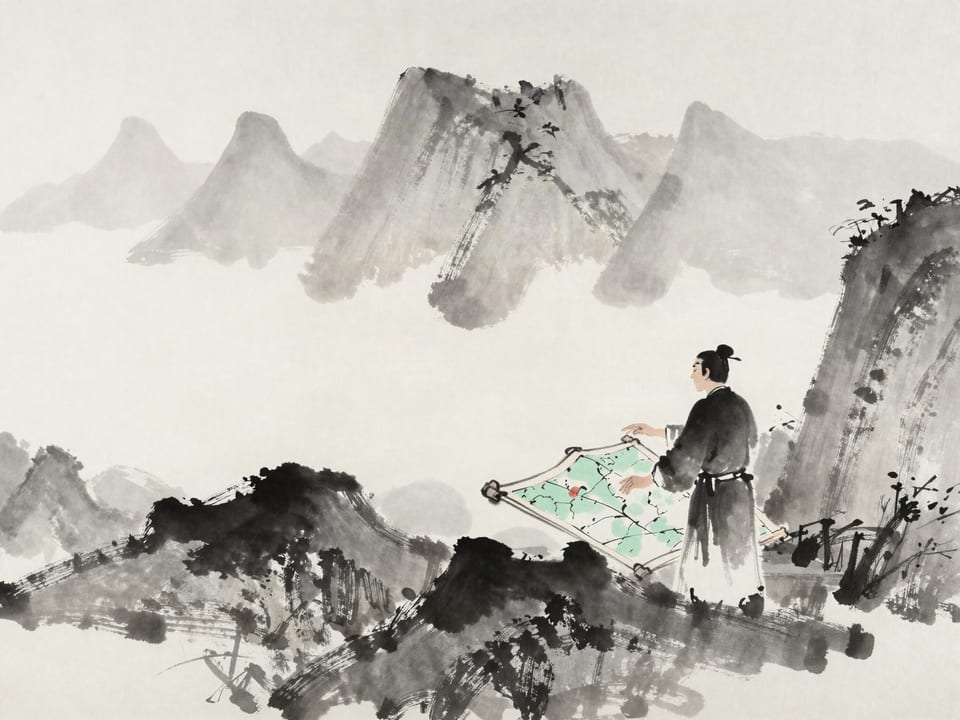
Self, enemy, and ground together make victory certain and full; omit one and the win is incomplete.
Chapter 10 closes where the knowledge program began, now as a graduation: know the enemy and yourself, and victory will not stand in doubt; know Heaven and Earth, and you may make your victory complete. The chapter that opened with six terrains ends by folding terrain back into the master formula — the ground you studied all chapter was always the third term of the triad, the one that converts probable victory into total victory.
Two landowners own identical vineyards on the same hillside. Both know their vines and their market equally well. One adds the environmental layer: the frost drainage patterns, the sun hours by row, the decade of rainfall records. Same knowledge of self and buyer, same grape — but his rows are planted where the ground itself works for him, his losses in the frost years are a third of his neighbor’s, and "complete" is the difference in the bank account.
Completing victory with environment is not academic completeness — Heaven and Earth in Sun Tzu’s usage are decision-relevant conditions: timing windows and structural terrain, the things that turn a won contest into a compounding one. Studying environment for its own sake is weather-channel strategy. The test is whether the knowledge changes a position you hold or a date you act.