“With regard to narrow passes, if you can occupy them first, let them be strongly garrisoned and await the enemy.”
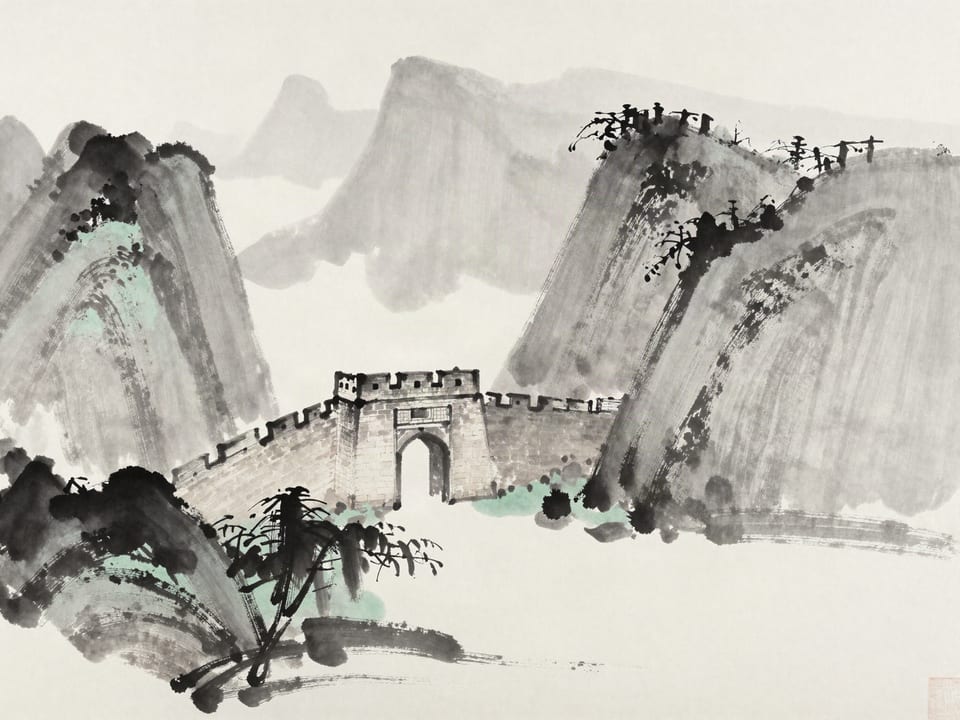
Passes are decisive; seize and fortify them before the opponent arrives, then wait.
Chapter 10’s fourth ground: narrow passes — if you can occupy them first, let them be strongly garrisoned and await the enemy. A pass is geography’s chokepoint: whatever must flow through it, flows through whoever holds it. The verse’s two clauses matter equally — occupy first, garrison strongly — because an unfortified pass just changes hands to whoever arrives with more force.
In a regulated industry, the narrow pass is the certification body: one standard, one committee, a slow process nobody glamorous wants to staff. One vendor assigns its best regulatory person full-time — a career-limiting assignment internally, an occupation externally. Three years later, every competitor’s product roadmap routes through a standard that vendor effectively writes. The pass was cheap to hold and impossible to retake.
Garrisoning the pass is not rent-seeking — the value of holding a chokepoint is the terms you set for passage, and terms that extract too much invite the building of alternate routes (the toll-road problem). Sun Tzu’s garrison awaits the enemy; it does not plunder the travelers. Hold the pass, set fair passage, and the ground compounds quietly forever.