“Even though the enemy should offer us an attractive bait, it will be advisable not to stir forth, but rather to retreat, thus enticing the enemy in his turn.”
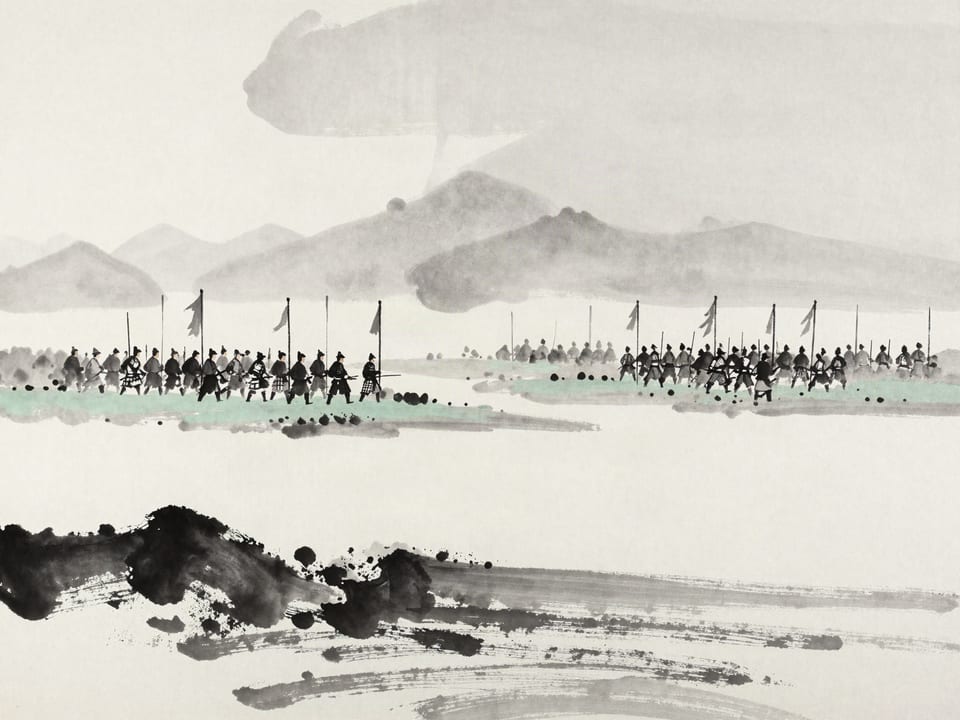
On stalemate ground, do not take the bait; retreat and make him over-extend instead.
Chapter 10’s third ground — temporising, where neither side can advantageously engage — gets the most counterintuitive rule: though the enemy offer an attractive bait, do not stir forth, but retreat, enticing the enemy in his turn. The ground itself is the weapon. On stalemate terrain, whoever moves first surrenders the advantage; the verse teaches weaponized patience.
Two agencies stall on the same RFP — neither can win it profitably at the prices the client signals. One finally bids aggressively to "end the uncertainty," underpricing into a two-year money-loser. The other formally withdraws with a public note about scope realism, then watches the client’s project struggle under the cheaper bid — and wins the rescue engagement at full rate, on ground it chose. The retreat was the maneuver.
Retreating to entice is not passivity — the withdrawing agency wrote the scope note, tracked the failure, and positioned for the rescue. Chapter 6 made the same point: making the enemy move is not the same as waiting for him. On temporising ground you act constantly; you simply decline to advance.