“A hasty temper, which can be provoked by insults.”
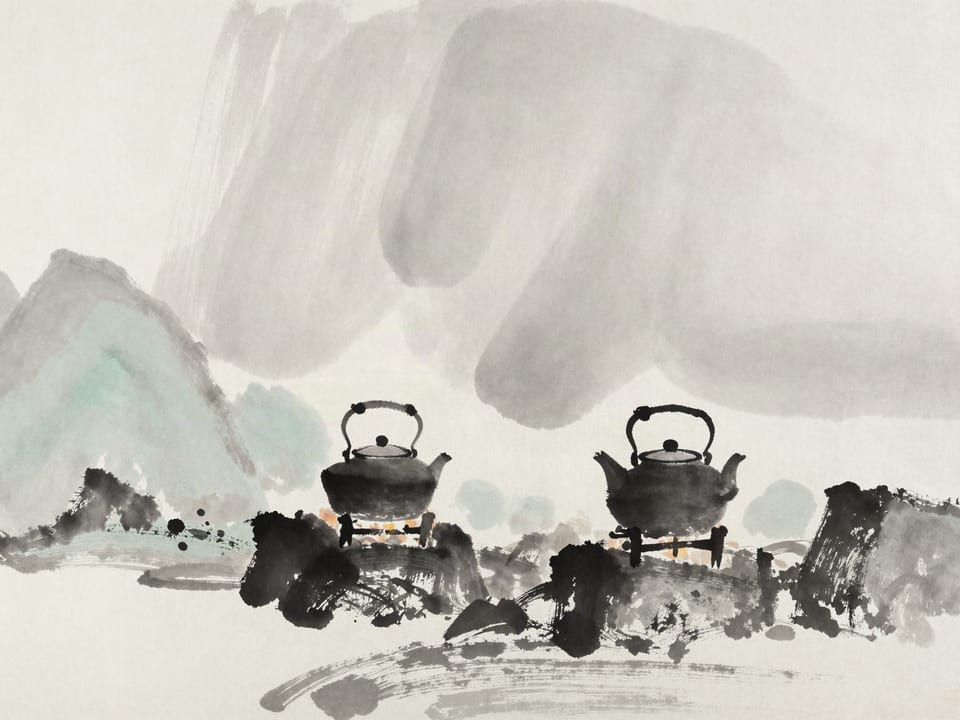
A quick temper lets opponents manipulate you with bait; guarding it protects your judgment.
Chapter 8’s third fault is a weapon mounted on you: a hasty temper, which can be provoked by insults. Note the grammar — the fault is not the anger itself but its provocability, the external trigger that reliably works. Sun Tzu lists it among the five faults because a known lever on the commander is worth more to the enemy than ten thousand men.
A CEO’s rivals long ago learned the sequence: publish a dismissive analyst note, wait for the all-caps internal memo, watch the product team get redirected to "answer the critics." One quiet quarter, a competitor times three such notes around a launch window. The company spends the window refuting instead of shipping — the tempers were real, the insult was sincere, and the redirection was the point.
Guarding against provocation is not becoming unfeeling — the verse protects judgment, not comfort, and anger has legitimate uses when chosen. The target is the involuntary version: anger that arrives on schedule because the enemy scheduled it. The practical defense is delay — insults get a 24-hour quarantine — and knowing your own levers before the enemy demonstrates them.