“Recklessness, which leads to destruction; cowardice, which leads to capture.”
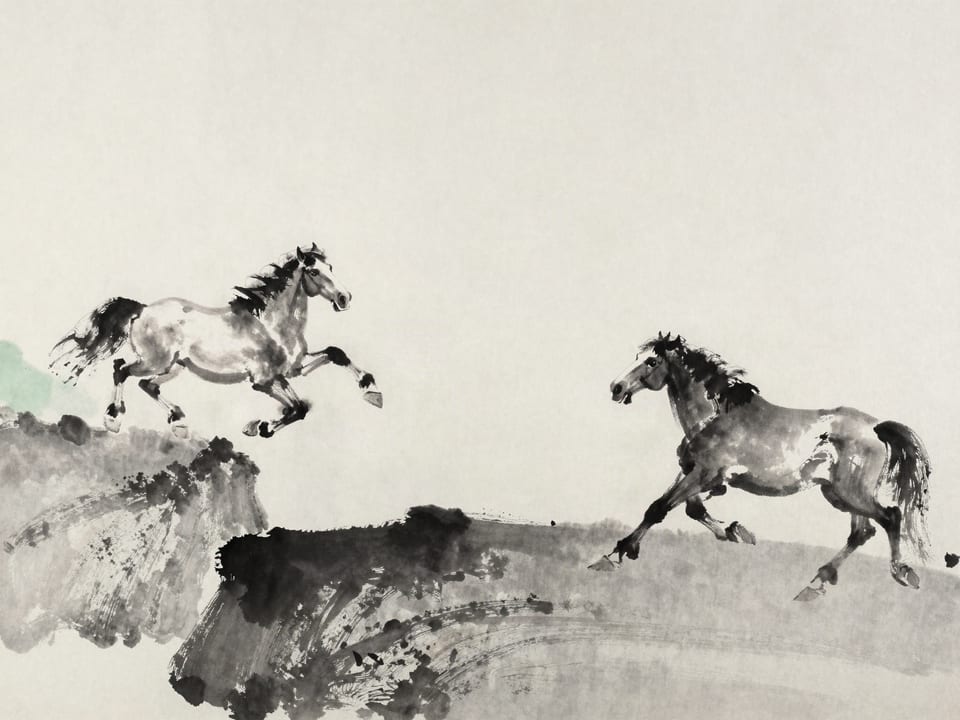
Too much nerve destroys you, too little gets you taken; the mean is the competent line.
Chapter 8 opens the five-faults detail with the pair that brackets courage: recklessness, which leads to destruction; cowardice, which leads to capture. Destruction at least chooses its own end; capture is an ending arranged by the enemy. Sun Tzu places these two first because they define the boundaries of the whole courage continuum — both fail, and they fail in opposite directions from the same miscalibration.
Two traders in the same crash. One doubles into the collapse — reckless, certain the bottom is near — and is destroyed when the bottom is further. The other freezes, holds losing positions past every stop he wrote — cautious in the moment, captured by the position, ending the year working for the desk that absorbed his margin. The survivor between them had pre-decided his aggression: sized to survive being wrong, brave only where the math licensed it.
The mean between these faults is not moderation as temperament — some moments demand wild aggression and others demand total refusal, and the competent line moves with the odds. What the verse forbids is letting the dial be set by personality instead of by the situation. Calibrate courage to the actual ratio, Sun Tzu says elsewhere; here he simply shows the two ditches on either side of the road.