“All men can see the tactics whereby I conquer, but what none can see is the strategy out of which victory is evolved.”
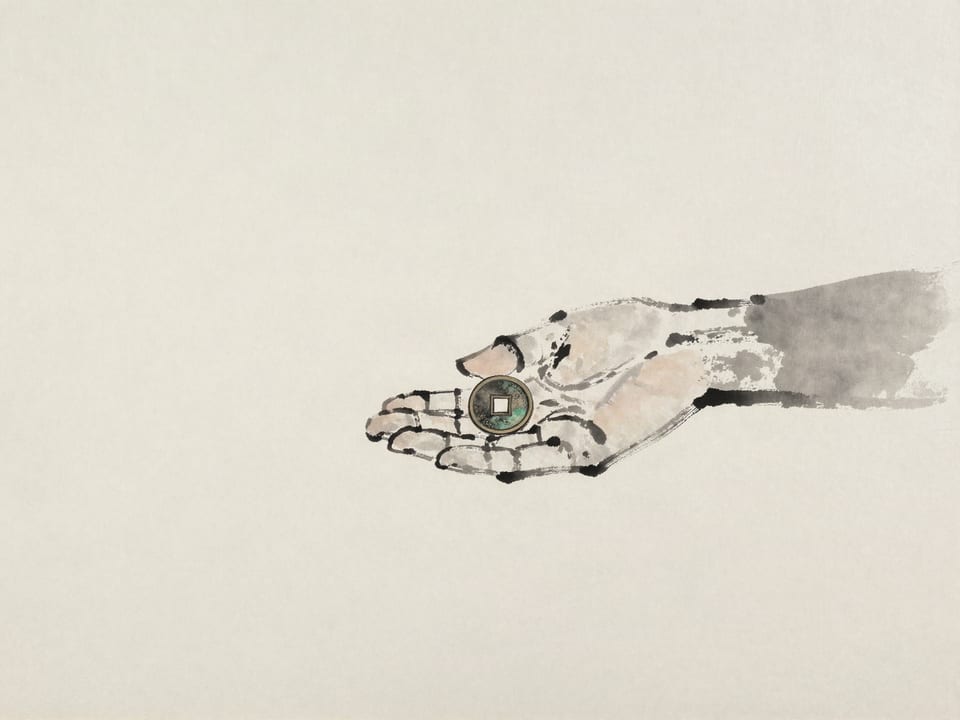
People see the move that won but not the deeper design; let them; the stratagem stays yours.
Chapter 6’s most quietly arrogant line: all men can see the tactics whereby I conquer, but what none can see is the strategy out of which victory is evolved. The observation doubles as instruction. Tactics are necessarily public — you cannot hide a move while making it. Strategy, the generative logic beneath, is invisible by choice. Sun Tzu keeps it that way and lets the visible half mislead.
A restaurant chain’s rivals copy its famous tactic — the limited-time menu item — and run their own drops to diminishing returns. What they cannot copy is the strategy: each "limited item" is a supply-chain experiment, testing an ingredient’s cost curve and a kitchen’s throughput before it becomes permanent. The rivals replicate the theater and learn nothing. The chain happily explains the theater to any journalist who asks.
Hidden strategy is not deceptive marketing — customers experience the tactics honestly and get real value; the concealment concerns competitors reading your engine. Nor is it an argument for mystifying your own team, who must operate the strategy even if rivals must not read it. The boundary is audience: narrate fully inside, narrate only the tactic outside.