“The five elements are not always equally predominant; the four seasons make way for each other in turn.”
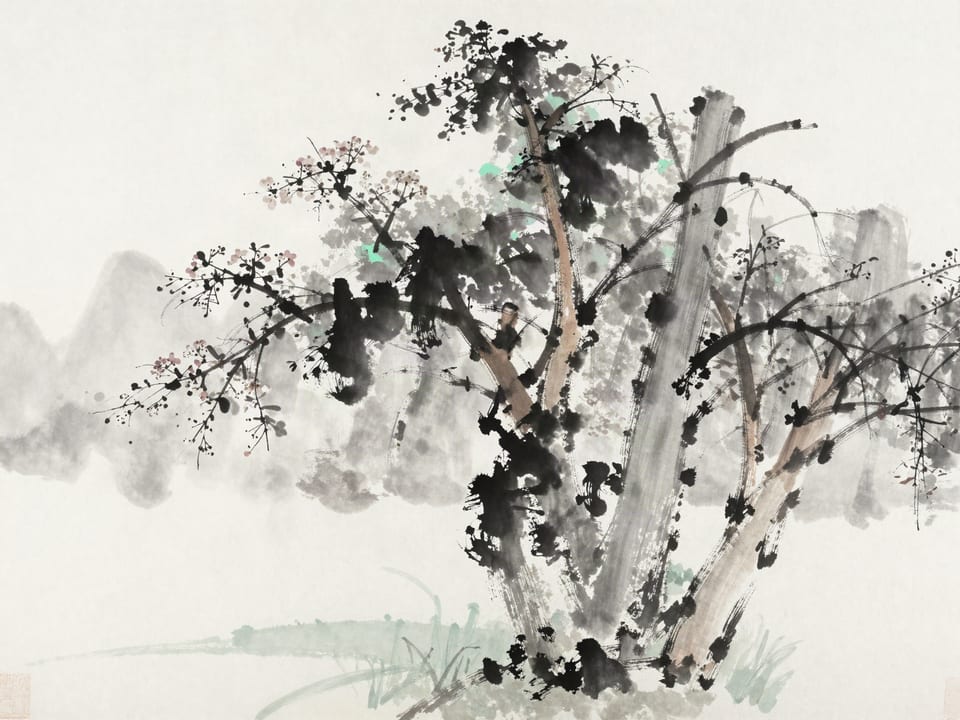
No condition is permanent; what is strong now will weaken, so time your moves to the turn.
Chapter 6 closes with cosmology: the five elements are not always equally predominant; the four seasons make way for each other in turn. After teaching hundreds of specific moves, Sun Tzu ends on time. The metaphor insists that dominance is a phase, not a possession — whatever is predominant now is midway through making way, and strategy is partly the patience to let seasons turn.
A hardware company watches its component supplier "dominate" the market and plans a decade-long war of substitution — until the cycle turns instead: a process change two years out renders the supplier’s advantage seasonal, exactly as summer makes way. The company that had positioned quietly for the turn inherits the demand overnight. It built less, fought less, and read the calendar better.
Cycles are not an excuse for waiting out every strong rival — seasons turn on their own schedule, but elements also predominate because someone is working. The verse teaches timing, not passivity: know which phase you are in, commit when the turn approaches, and do not spend your force proving a season wrong.