“An army may march great distances without distress, if it marches through country where the enemy is not.”
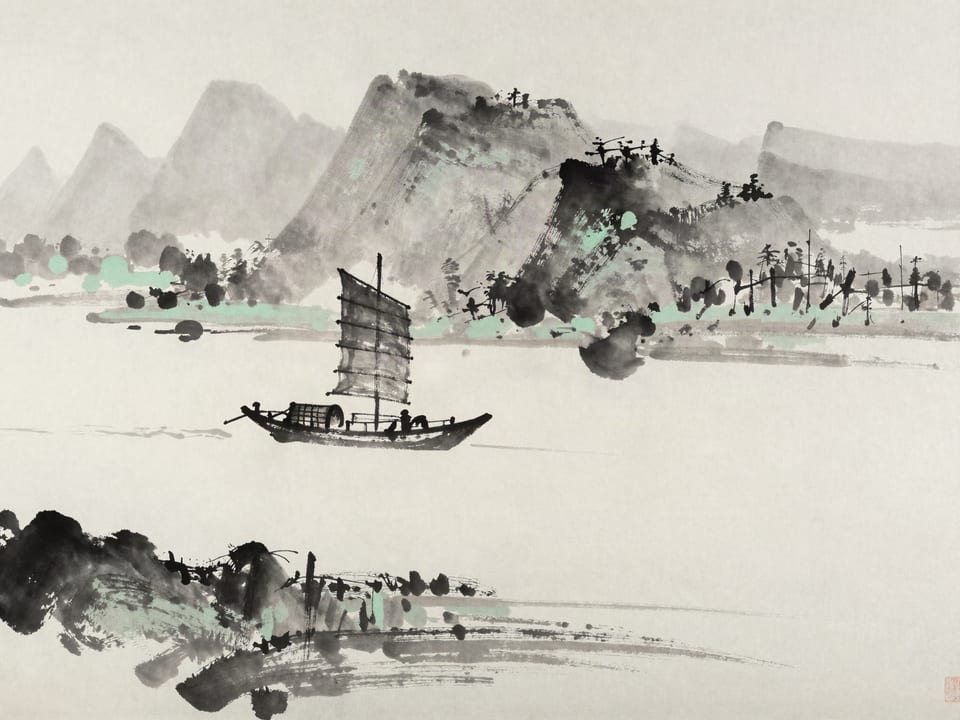
The cheapest advance is through uncontested ground; avoid the friction of fighting for every mile.
Chapter 6 slips in a logistics verse with strategic consequences: an army may march great distances without distress if it marches through country where the enemy is not. The economics are simple — uncontested ground has no friction. Every mile contested costs men, time, and supply; every mile empty is nearly free. Sun Tzu treats emptiness as a resource most commanders cannot even see, because their eyes are fixed on the enemy.
Two consultancies chase the same Fortune 500 logos — the crowded lane, complete with incumbent defenders and RFP rituals. A third takes the same expertise to companies just below that tier: too small for the big firms’ minimums, desperate for that caliber of advice, and utterly uncontested. It marches for years without distress, and arrives at the Fortune tier a decade later with relationships the lane-fighters never built.
Empty ground is not worthless ground — the verse rewards marching through country with value at the end of it, not wandering wilderness to avoid all contest. And some crowded lanes are crowded because they matter: the discipline is cost-aware routing, not conflict-avoidance as identity. Sun Tzu crosses empty ground precisely to strike; the emptiness is the road, not the destination.