“When there is dust rising in a high column, it is the sign of chariots advancing; a few clouds of dust moving to and fro signify that the army is encamping.”
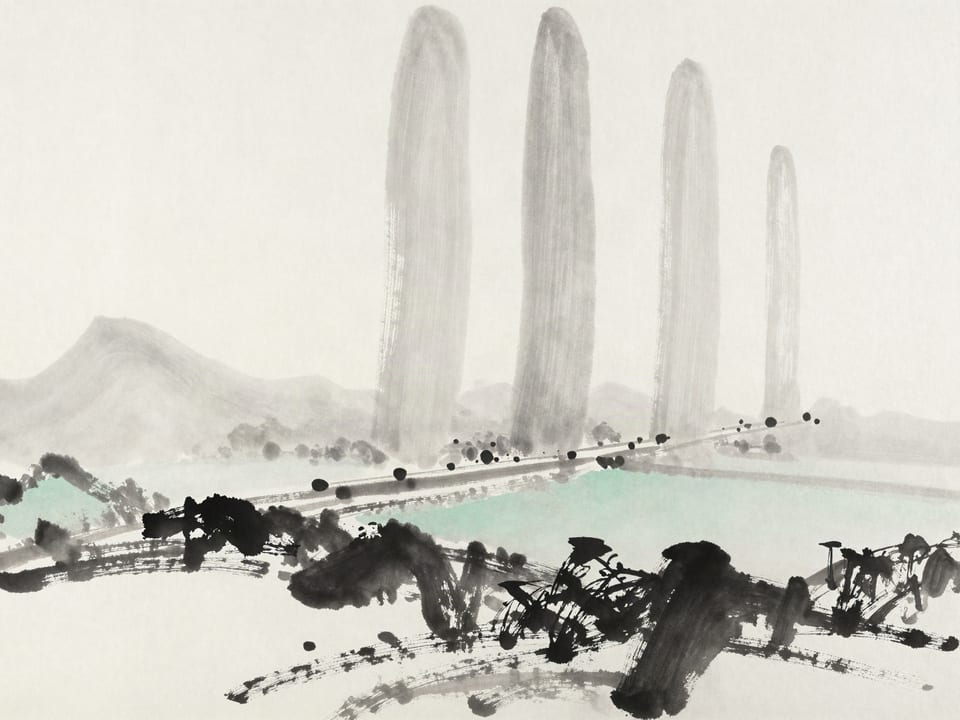
Different patterns of dust reveal different deployments; the detail discloses the intent.
Chapter 9 gets granular about dust: a high rising column means chariots advancing; low, wide clouds moving to and fro mean infantry; scattered dust in scattered patches means the army is encamping. The chapter is teaching semantics — the same medium (dust) carries different messages in different shapes. Observation without grammar sees only dirt; the trained eye reads formation.
Two investors watch the same filings feed. One sees "dust" — activity, noise, numbers going by. The other reads the shapes: a high sharp column of insider buying against no announced catalyst (chariots — something decisive is coming); low widespread drift of routine option grants (the camp — nothing). The first reacts to everything; the second reacts once, correctly, to the column that mattered.
Dust-reading is not chart-reading — Sun Tzu’s signals work because they are physical consequences of real formations, not patterns projected onto noise. The modern discipline asks: is this signal caused by the underlying fact (a column is really chariots) or merely correlated by coincidence? Build your grammar only from the causal kind, and the dust will speak honestly.