“Humble words and increased preparations are signs that the enemy is about to advance. Violent language and driving forward indicate that he will retreat.”
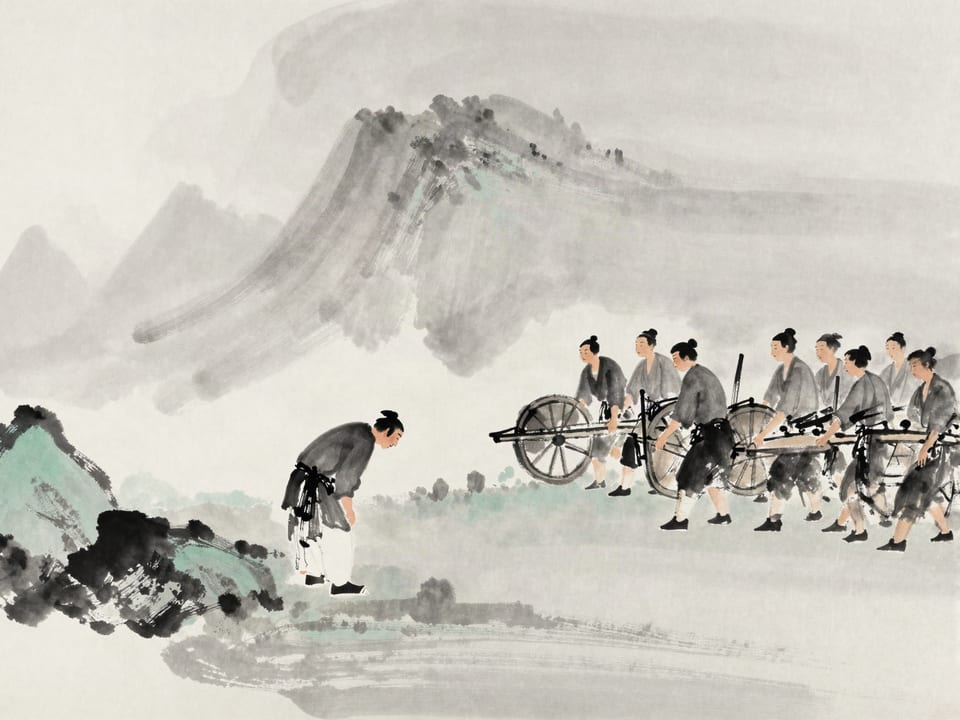
What is said often contradicts what is about to happen; watch the preparation, distrust the rhetoric.
Chapter 9 states its inversion rule outright: humble words and increased preparations are signs that the enemy is about to advance; violent language and driving forward indicate that he will retreat. The rhetoric and the readiness point in opposite directions, and Sun Tzu tells you which one is lying. The tongue is the cheapest thing to move; the supply chain is not.
A rival’s CEO gives a magnificently aggressive keynote — bold claims, direct challenges, the market tweeting about the fight. Simultaneously, unnoticed: the rival freezes headcount, lets two product lines go quiet, and renews its smaller office for three years at reduced footprint. The keynote was the retreat announcement; the budget was the real memo. Competitors who prepped for the war of the keynote missed the retreat of the org chart.
The inversion is a tendency, not a law — some opponents do exactly what they loudly say, particularly ones with no doctrine of deception. The reliable read is preparation itself, whatever the words: train watched, words discounted. When the two disagree, believe the one that cost money.