“The worst policy of all is to besiege walled cities.”
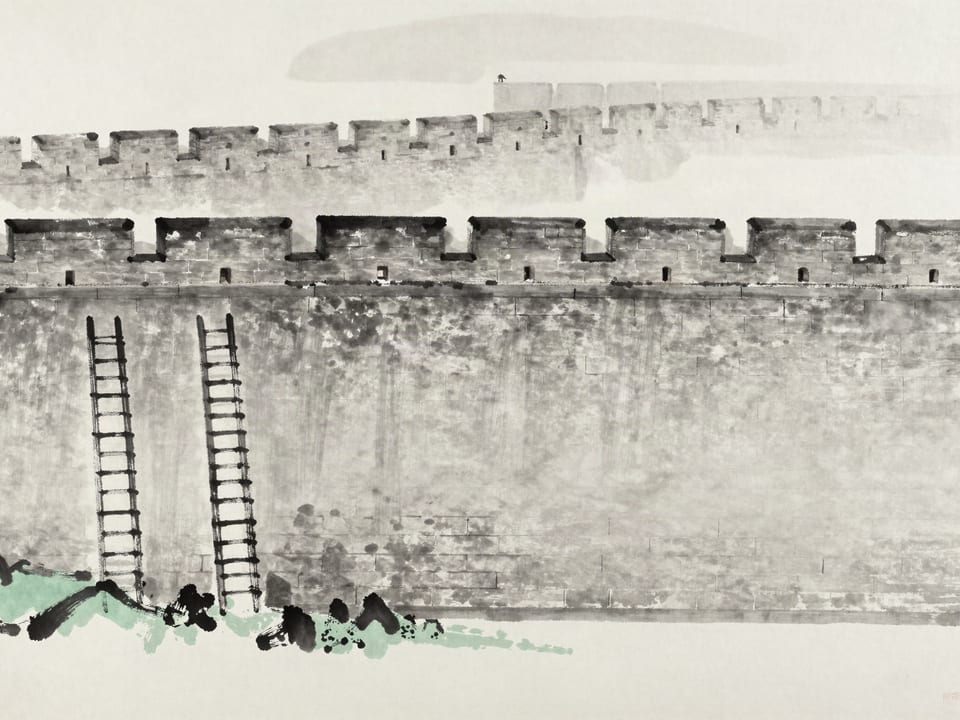
Sieges drain time, treasure, and men for marginal gain; avoid them by every other means first.
Chapter 3’s victory-ladder inverts at the bottom: the worst policy of all is to besiege walled cities. Sun Tzu knows his audience — the temptation of a siege is certainty. The wall is visible, the victory imaginable, the honor maximal. And so the chapter pauses to name the most prestigious form of fighting as the worst use of force, because it spends everything for the least.
A software firm spends four years trying to win a Fortune 100 account — the walled city of its industry, complete with an annual RFP ritual that looks like progress. Meanwhile a mid-market motion lands hundreds of smaller clients at a fraction of the cost, and a competitor quietly becomes the standard inside those companies as they grow. The enterprise "siege" produced two logos and a decade’s worth of engineering detours.
Sieges are sometimes necessary — some walls must be taken, and Sun Tzu elsewhere devotes verses to how. The verse condemns the default: choosing the siege because the target is prestigious rather than because no other route exists. The test is whether alternatives were genuinely exhausted or merely inconvenient.