“The skilful leader subdues the enemy's troops without any fighting; he captures their cities without laying siege.”
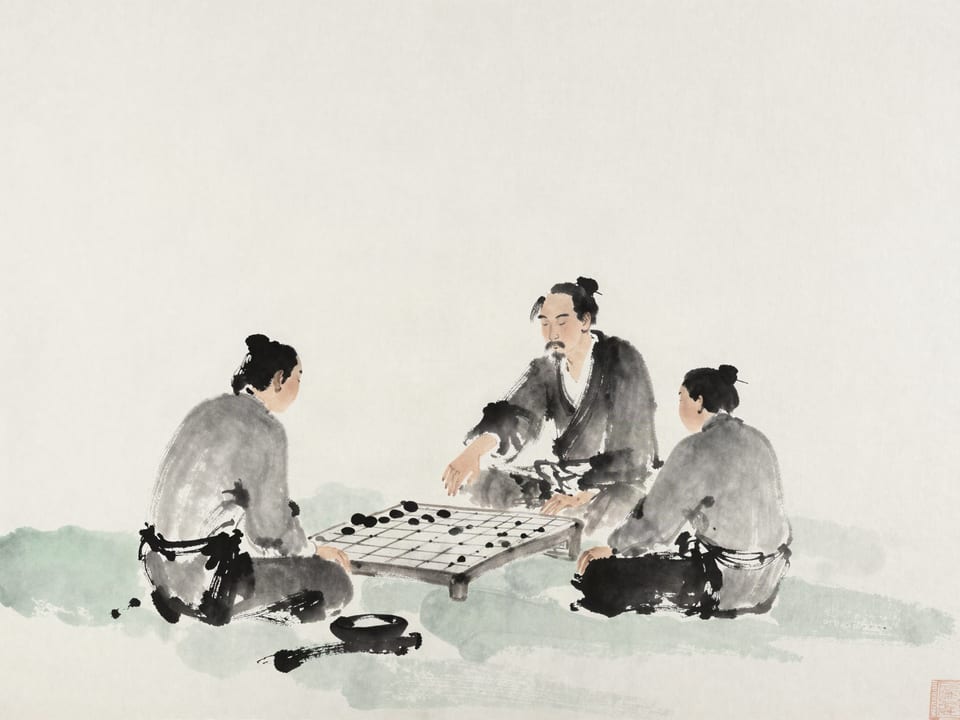
Position so the opponent's best move is to yield; domination without battle conserves everything.
Chapter 3 restates its ideal at the operational level: the skilful leader subdues the enemy’s troops without fighting and captures cities without besieging. Where the earlier verses ranked forms of victory, this one describes the mechanism — resistance is made pointless before it is made painful. The city falls the way ripe fruit does: the outcome was decided in how the tree was grown.
A standard body is deciding between two rival protocols. One vendor spends on lobbying; the other ships a free implementation so complete, documented, and widely embedded in the ecosystem’s tools that adopting anything else would mean rewriting working software. The committee’s vote is a formality — the technical reality already voted. No argument was won; the counter-position simply became unmaintainable.
Making yielding rational is not the same as coercing. The line between dominance and bullying is whether the other side genuinely retains a choice — they yield because their own judgment prefers it, not because you have made their alternative existentially impossible. Sun Tzu’s cleanest captures leave the captured better off than the fight would have, which is why the victory lasts.