“To fight and conquer in all your battles is not supreme excellence; supreme excellence consists in breaking the enemy's resistance without fighting.”
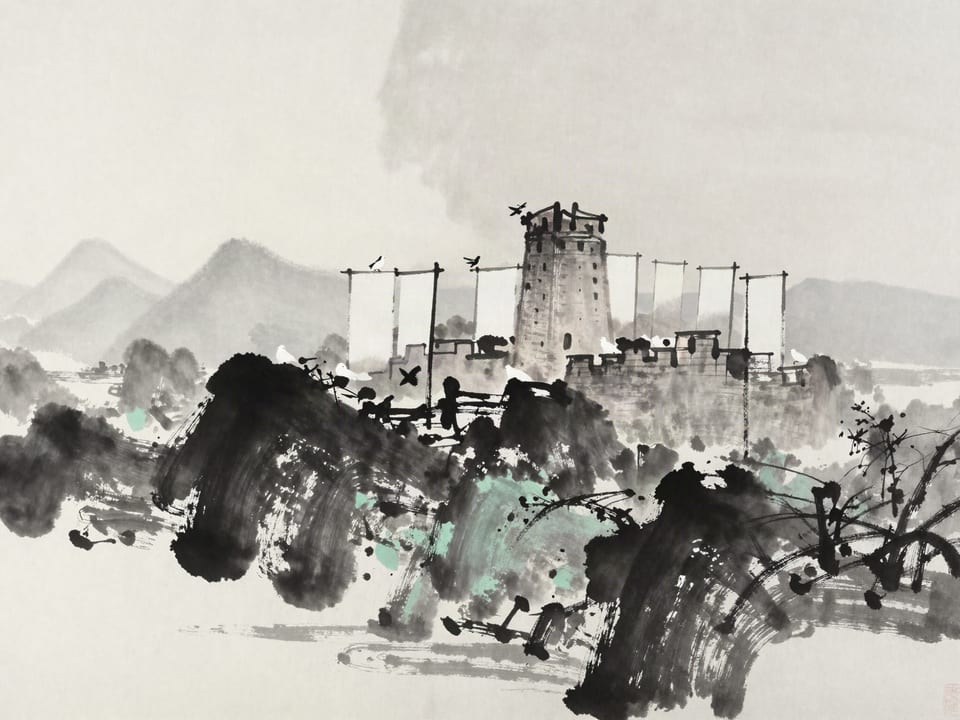
The best victory needs no fight; shape the situation so resistance collapses on its own.
Chapter 3 states its thesis right after defining the intact prize: fighting and conquering in every battle is not supreme excellence — breaking the enemy’s resistance without fighting is. The word "breaking" is carefully chosen. The opponent’s will collapses; his forces never engage. This is the chapter’s promise that the highest skill operates on the contest’s structure, not inside it.
A regional grocer learns a national chain will open across the street. It cannot out-price, out-advertise, or out-shelve the coming war — so it pre-empts it: exclusive deals with the local farms the chain’s distribution cannot match, a prepared-foods program built on them, and community ties a HQ playbook cannot replicate. The chain opens, underperforms, and closes in two years. The grocer never won a battle; it made the battles unnecessary.
Breaking resistance without fighting is not the same as avoiding conflict through appeasement — surrender also prevents battles. The distinction is who ends up positioned. Sun Tzu’s non-fighting victories still require the full apparatus of preparation, alliance, and ground; the clash is prevented because the other side’s rational calculation, not their comfort, says stand down.