“In the practical art of war, the best thing of all is to take the enemy's country whole and intact.”
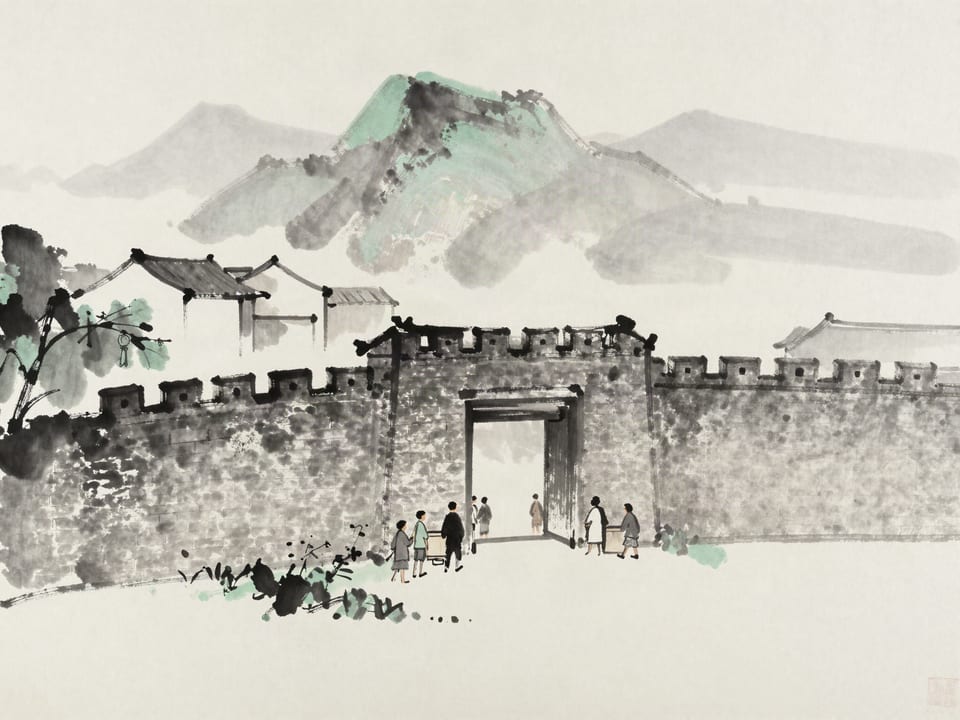
The highest win keeps what you take usable; destruction spends effort and loses the prize.
Chapter 3 opens with its founding distinction: in the practical art of war, the best thing is to take the enemy’s country whole and intact; to shatter and destroy it is not so good. The chapter about method thus begins with the definition of a good outcome — one measured by what remains usable afterward. Every tactic the book teaches downstream is graded against this.
A negotiating team "wins" a supplier into a contract so punishing that the supplier under-invests for years — deliveries slip, quality drifts, and the buyer quietly rebuilds a second source at full price. The paper victory was complete; the country arrived shattered. The team that paid 10% more for a contract the supplier could profit from kept the value it captured compounding instead of decaying.
Intact does not mean painless, and this is not a courtesy rule. Sun Tzu besieges cities when he must — the ranking is economic, not ethical: the prize’s post-capture productivity is part of the prize. The misreading is scoring the win at the moment of surrender instead of a year later, when the bill for the shattering arrives.