“Water shapes its course according to the nature of the ground over which it flows; the soldier works out his victory in relation to the foe whom he is facing.”
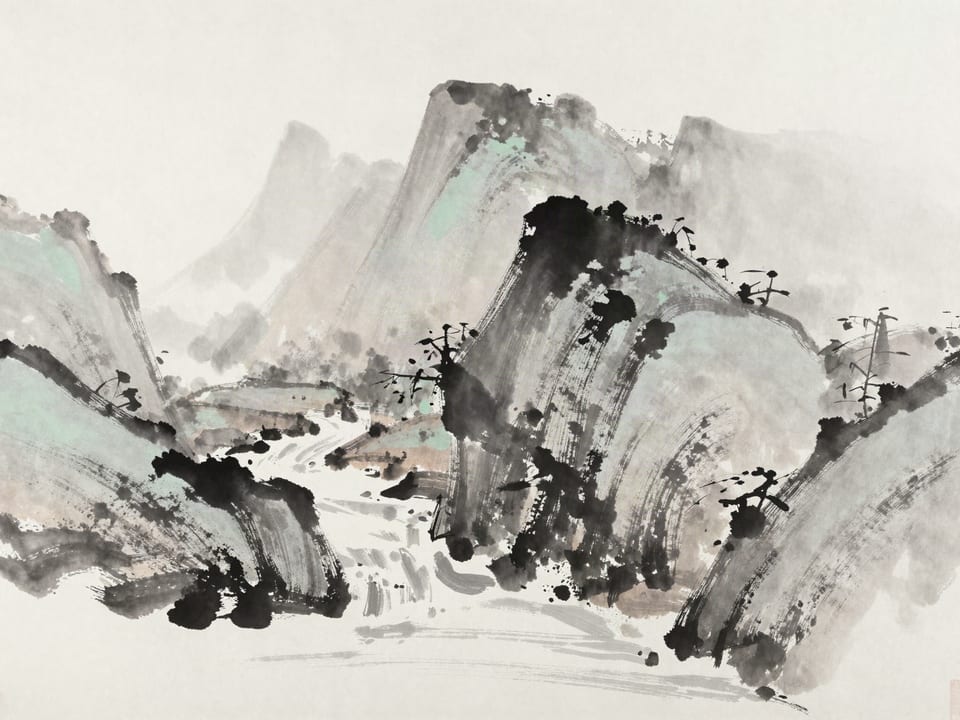
There is no fixed recipe for winning; strategy is the art of reading the ground and the opponent and shaping yourself to them. Rigidity is the enemy of effectiveness. Water wins because it takes the shape of what it meets.
Chapter 6 closes with its most famous image: as water shapes its course by the ground it flows over, the soldier works out victory in relation to the enemy he faces. Just as water has no constant form, Sun Tzu concludes, war has no constant conditions. After a chapter of specific tactics, the summation is deliberately anti-doctrine: the tactics themselves must change shape with the situation.
A recruiting process that worked for a decade — agencies, interviews, offers — starts failing in a tight market. One firm keeps refining each step; another notices the ground has moved and re-shapes entirely: direct outreach, trial projects, offers inside a week. Both are hiring in the same market. The water is identical; only one of them is still flowing downhill.
Adaptation is not improvisation. Water follows gravity — a constant — while varying only its path. Sun Tzu’s constants (know yourself, preserve your force, strike weakness) never bend; what changes shape is the route. Teams that treat everything as variable are not being fluid, they are being formless in the bad sense: no principle to shape around.