“The quality of decision is like the well-timed swoop of a falcon which enables it to strike and destroy its victim.”
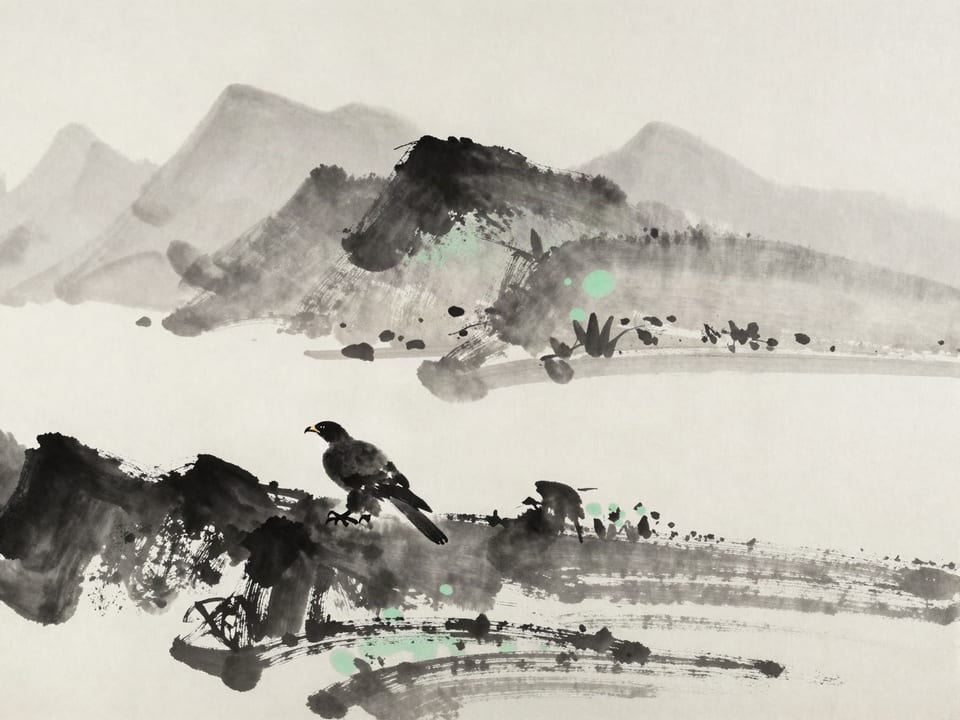
The strike works because it is timed, not merely fast; decide at the hinge of the moment.
The falcon returns at Chapter 5’s hinge between energy and decision — and this time the verse is paired with what follows it: the crossbow. In Chapter 4’s version the bird illustrated seeing victory before others; here it illustrates the conversion of stored energy into strike, immediately before Sun Tzu splits that conversion into two parts: the bending of the bow (energy) and the releasing of the trigger (decision). The falcon is the bridge between them.
An acquirer has done the work — diligence complete, financing arranged, integration mapped. Every day the deal sits, the target shops itself and the market moves; every premature signature buys a company whose numbers are about to change. The hinge is a specific, watchable moment: the quarter’s bookings report. The team that decides on the report’s morning gets the company they diligenced; the teams deciding on either side of it get surprises.
Waiting for the hinge is not indecision dressed up — the acquirer had already decided; only the release was timed. Nor is the hinge mystical: it is the observable moment when the marginal value of waiting turns negative. Teams that cannot name what they are waiting for are not timing a decision; they are avoiding one, and the falcon does not bless avoidance.