“There are not more than five musical notes, yet the combinations give rise to more melodies than can ever be heard.”
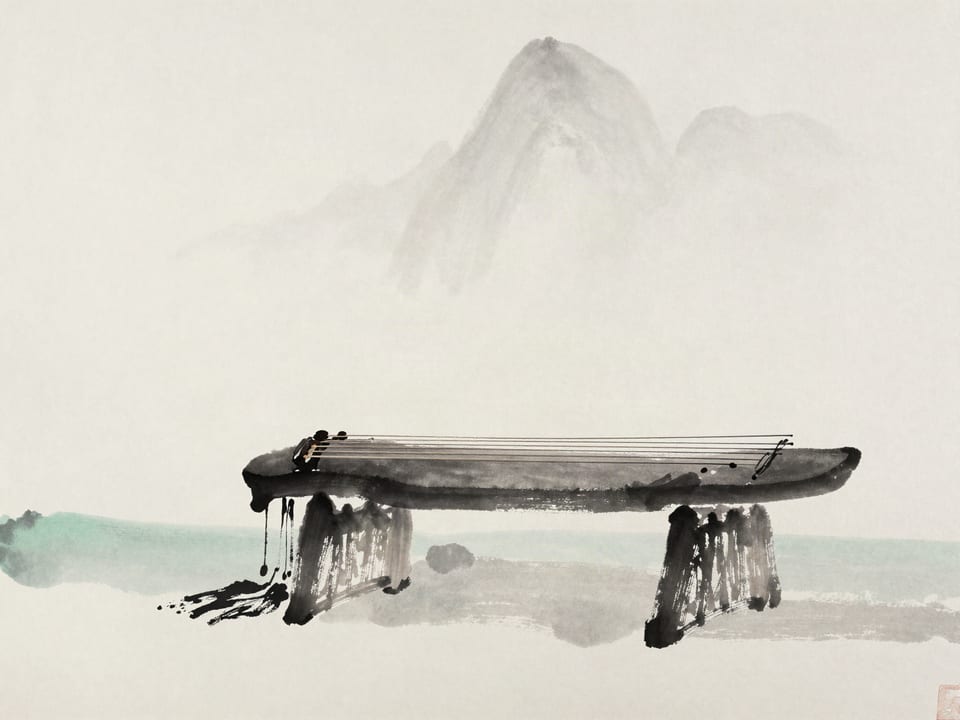
Master a small set of moves and combine them without limit; depth comes from combination, not inventory.
Chapter 5 argues its combinatorics with music: not more than five musical notes, yet more melodies than can ever be heard. The same argument recurs with colors and tastes in the following verses — Sun Tzu stacking analogies because the claim is so counterintuitive to ambitious readers. The amateur believes mastery means acquiring more notes; the master knows it means deeper combination of a few.
A chef with twenty techniques on the menu delivers mediocrity in all of them; another works five — a perfect roast, a clean sauce, one great dough — and produces an infinite-seeming cuisine by recombination. The same law runs companies: the best product firms own a small vocabulary (a distribution trick, a pricing model, a design language) recombined across every launch, while the tool-collectors ship novelty that tastes of nothing.
Few elements is a claim about depth of mastery, not an excuse for minimal effort — the five notes must be played perfectly before the melodies appear. Novices quote this verse to justify knowing less. Sun Tzu’s musicians practiced scales for years; the combinations are infinite only above a floor of real command.