“By means of these seven considerations I can forecast victory or defeat.”
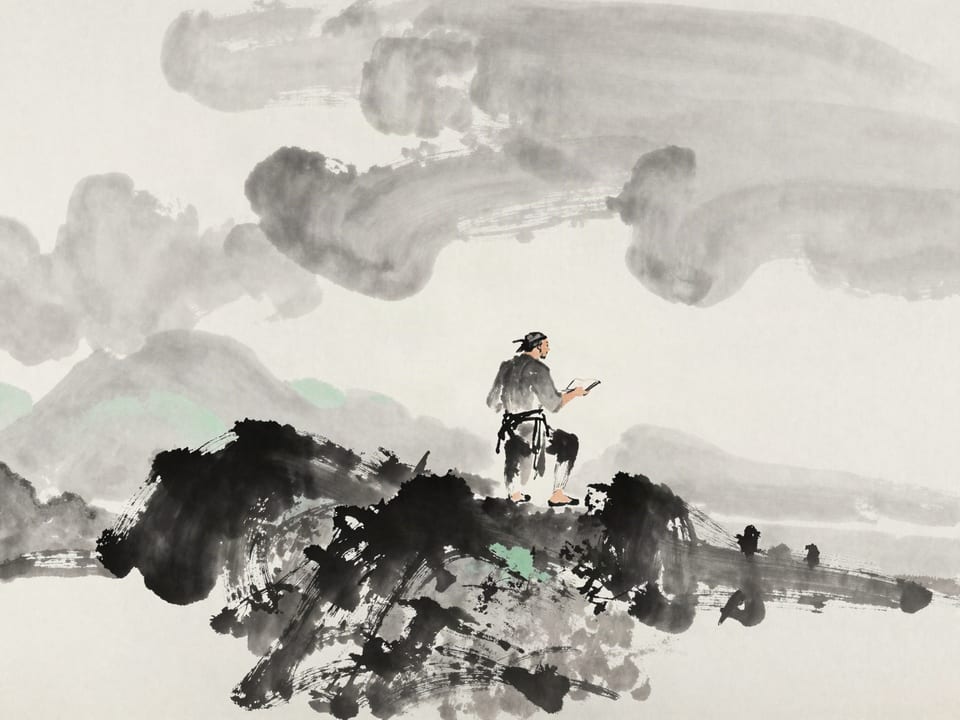
You can predict the result before fighting if you assess the right variables systematically.
Chapter 1’s quiet climax: with the five factors known and the seven comparisons made, Sun Tzu can forecast victory or defeat — the assessment itself predicts the battle. Nothing has been fought yet; the entire chapter has taken place in the temple. This verse makes the claim explicit that the rest of the book keeps proving: outcomes are legible beforehand to anyone who does the reading.
Before the launch, a team writes the forecast down — units, conversion rate, payback window, and the three assumptions each number rests on. Six months later they reread it. Two assumptions failed, one held, and the miss traces precisely to the failed pair. A rival team that "knew" equally much but wrote nothing learned nothing — their retrospective dissolved into argument, because a forecast that was never stated can never be wrong.
Forecasting is not prediction as prophecy, and Sun Tzu does not promise omniscience — he promises accountability. The written forecast is valuable precisely because it can fail visibly, which is how judgment compounds. The unforecast move teaches nothing even when it succeeds, and that is the misreading’s real cost: hope kept the lesson from ever landing.