“The general that hearkens to my counsel and acts upon it will conquer; let such a one be retained. The one that hearkens not shall suffer defeat: let him be dismissed.”
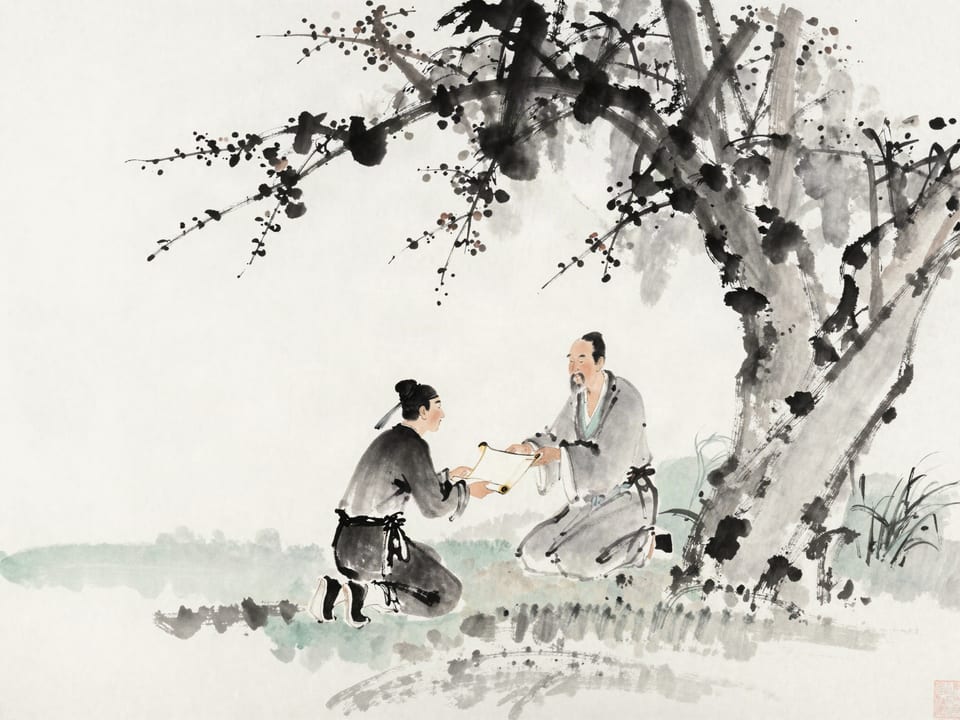
Advice unused is worse than no advice; the discipline is to listen, decide, and execute.
The chapter pivots from assessment to execution, and its first executive act is a hiring-and-firing rule about listening: the general who hearkens to this counsel and acts on it will conquer — retain him; the one who will not hear it will be defeated — dismiss him. Sun Tzu treats receptivity as a selection criterion for command itself, decided before a single maneuver is discussed.
A board keeps a brilliant CEO whose pattern is well known: hear the advice, praise the advisor, do the opposite. Each dismissal of counsel costs less than a crisis — until the quarter the advice was about cash reserves, and there was nothing left to disagree with. The board’s error was reading "hearkens not" as a personality quirk rather than, in Sun Tzu’s terms, a firing offense.
Hearkening does not mean obeying everyone. The verse requires counsel acted upon — which presupposes choosing which counsel, since advisors routinely disagree. What Sun Tzu condemns is the theater of listening: nodding, thanking, and proceeding unchanged. Either use the advice or explain why not to the person who gave it; anything else spends their honesty without paying for it.