“He will conquer who has learnt the artifice of deviation. Such is the art of manœuvring.”
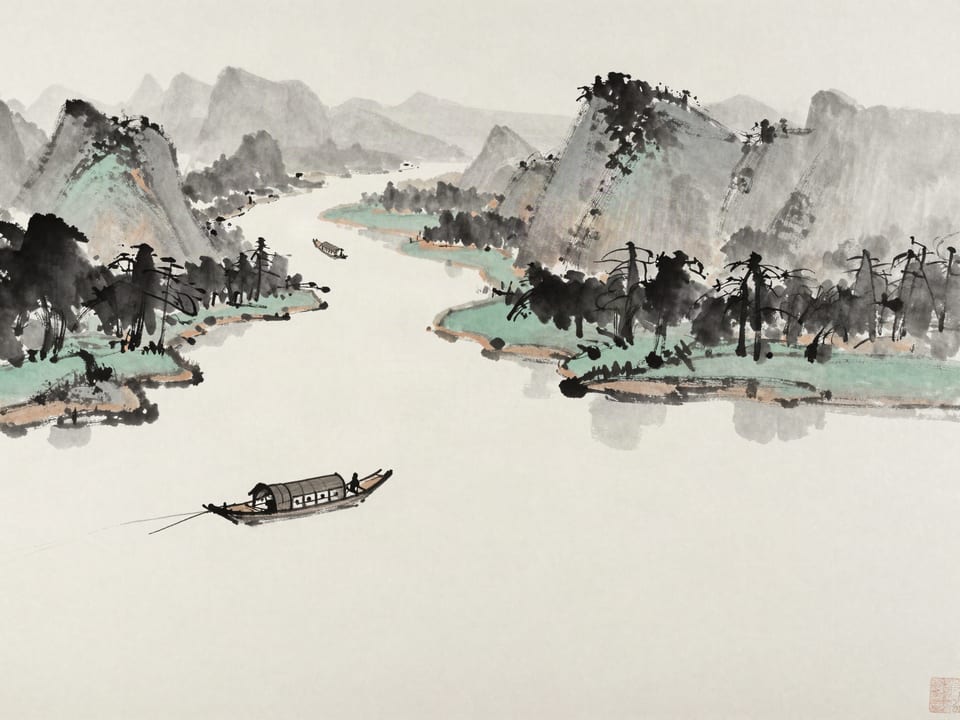
Victory in movement belongs to those who wield deviation as a craft; it is learnable, not lucky.
Chapter 7 stamps its closing seal on the maneuvering doctrine: he will conquer who has learnt the artifice of deviation — such is the art of manoeuvring. The verse reframes the chapter’s paradoxes (devious-made-direct, misfortune-made-gain) as a learnable art rather than a talent. Conquering belongs to whoever studied the indirect path as a discipline, which implies curricula, repetition, and failure on the training ground.
A consultancy’s best partner runs one deviation play in every engagement, deliberately, even when the direct route would work — because the play only stays sharp if practiced. Junior partners watch the detour become instinct: the due-diligence trip that doubles as relationship-building, the concession that resets a stalled negotiation’s geometry. When a crisis finally demands an indirect route under pressure, the firm has a hundred rehearsals behind it and its rivals have theories.
Deviation as craft is not contrarianism as habit — practiced indirection that ignores the situation is just the direct route wearing a costume. The artifice lies in the fit between the detour and the ground, which is why Sun Tzu frames it as learnt: studying when deviation pays, not performing it always. The conqueror deviates on purpose, not on reflex.