“In raiding, be like fire; in immovability, like a mountain.”
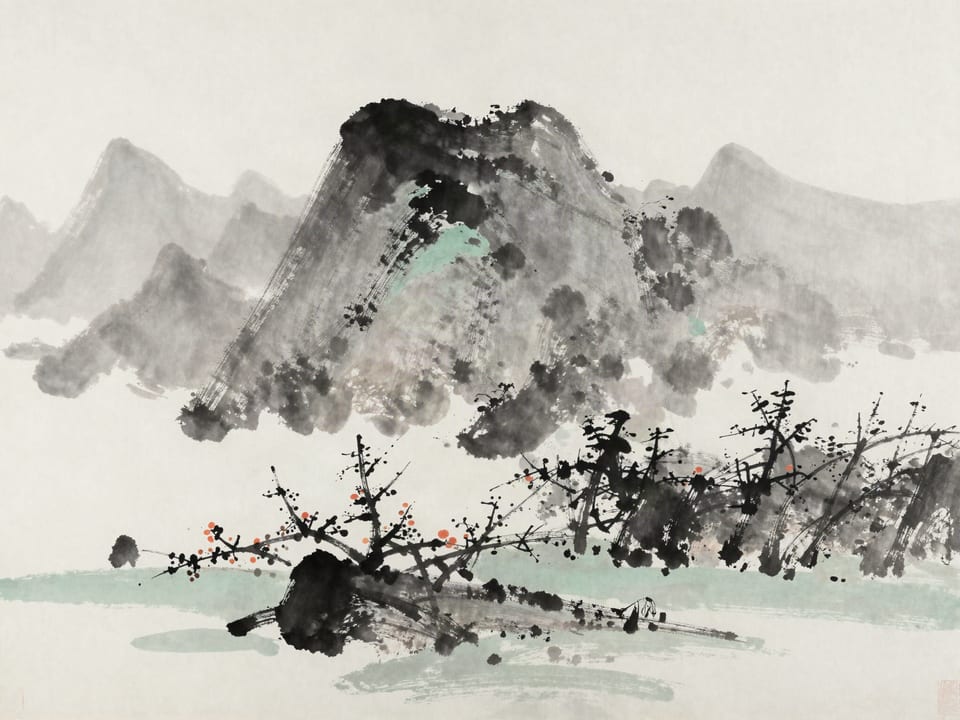
Raid with the consuming speed of fire, but stand with the immovable certainty of a mountain; know which mode is on.
The couplet’s second half: in raiding, be like fire; in immovability, like a mountain. Where the wind-and-forest half governed movement and formation, this one governs intensity — the two extremes of engagement. Fire consumes fast and is gone; the mountain does not move at all. The daily lesson isolates the diagnostic question Sun Tzu embedded: the posture must match the phase, and mixing them wastes both.
A negotiator burns hot through a whole engagement — every clause contested, every round maximal — and by the final round has nothing left and no perspective on what mattered. Her counterpart was mountain for three rounds (conceding nothing, revealing nothing) and fire exactly once, on the one clause that mattered, in the last hour. Same negotiation; the postures were assigned with intent.
The mountain is not passivity — it is chosen immovability, a signal that pressure will not move you, which takes more preparation than raiding. And fire is not anger; it is concentrated, brief intensity with a defined objective. Most bad strategy is mood wearing one of these costumes permanently, when both postures are situational equipment.