“A whole army may be robbed of its spirit; a commander-in-chief may be robbed of his presence of mind.”
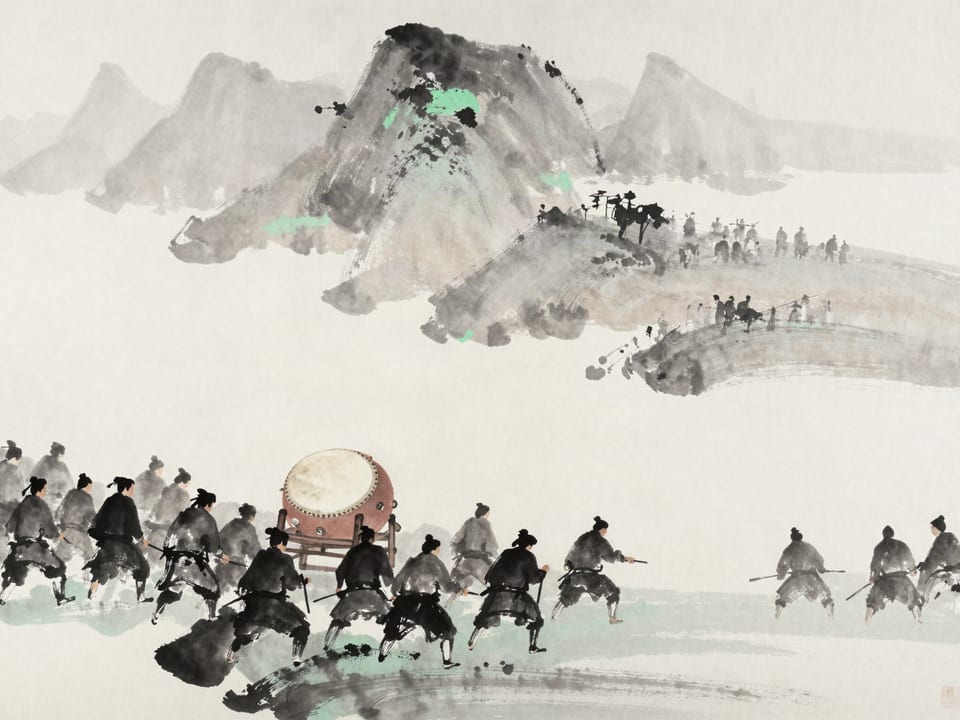
Break the opponent's spirit and the body follows; the mind is the real target.
Chapter 7 introduces its psychological theater: a whole army may be robbed of its spirit; a commander-in-chief may be robbed of his presence of mind. Robbed — the verb is theft, not battle. Sun Tzu splits an opponent into body and spirit and assigns them different battlefields; the maneuvers of this chapter exist partly to win the invisible one before the visible one is contested.
A challenger does not out-feature the incumbent. It wins three lighthouse customers the incumbent assumed were loyal, demos at the incumbent’s own user conference, and hires away one widely-admired engineer — not for his output, for the signal. The incumbent’s product cadence stalls; every roadmap review now begins with defensive questions. No battle occurred; the spirit was robbed, and the body began losing on its own.
Robbing spirit is not trash talk or psychological abuse — Sun Tzu’s theft is accomplished with facts: customers won, talent moved, momentum displayed. Morale attacks built on noise unite the opponent and corrode your own integrity. And presence of mind is robbed by events you arrange, never by insults you deliver.