“A soldier's spirit is keenest in the morning; by noonday it has begun to flag; in the evening, his mind is bent only on returning to camp.”
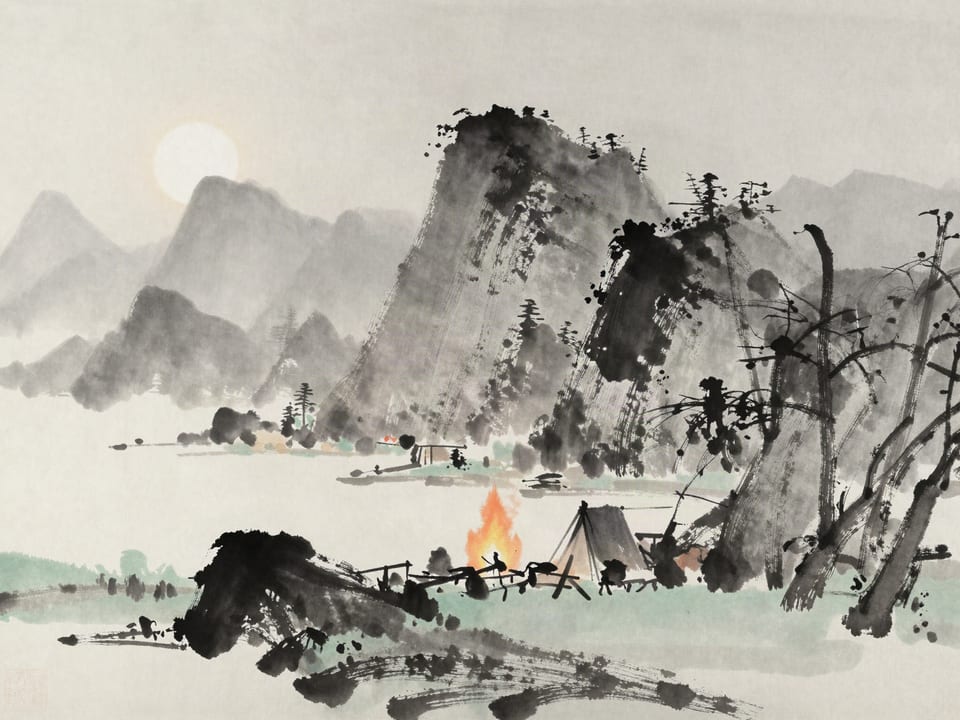
Force has a rhythm; engage when your spirit is high and the opponent's is low.
Chapter 7 grounds morale in biorhythm: a soldier’s spirit is keenest in the morning; by noonday it flags; by evening his mind is bent only on returning to camp. The observation launches the chapter’s timing doctrine — force has a daily shape, and the same army is three different armies across one day. Sun Tzu the strategist starts as Sun Tzu the observer of ordinary fatigue.
A sales team schedules every pitch at 10 a.m. — their own keenest hour, and their prospects’, which is the error. The competitor asks for the 4:30 slot on purpose: the buyer’s team is surfed-out, guard-down, dreaming of the commute. Same product, different hour, different nervous system. The close rate gap between the two teams tracks the clock almost perfectly.
The morning-keeness rule is about energy, not literal clocks — your prospect’s "morning" might be after lunch, after their standup, after the school run. The misreading is mechanical scheduling. The discipline is reading the rhythm: engage on the rising side of energy — theirs and yours — and never spend your best forces at their keenest hour.