“A clever general avoids an army when its spirit is keen, but attacks it when it is sluggish.”
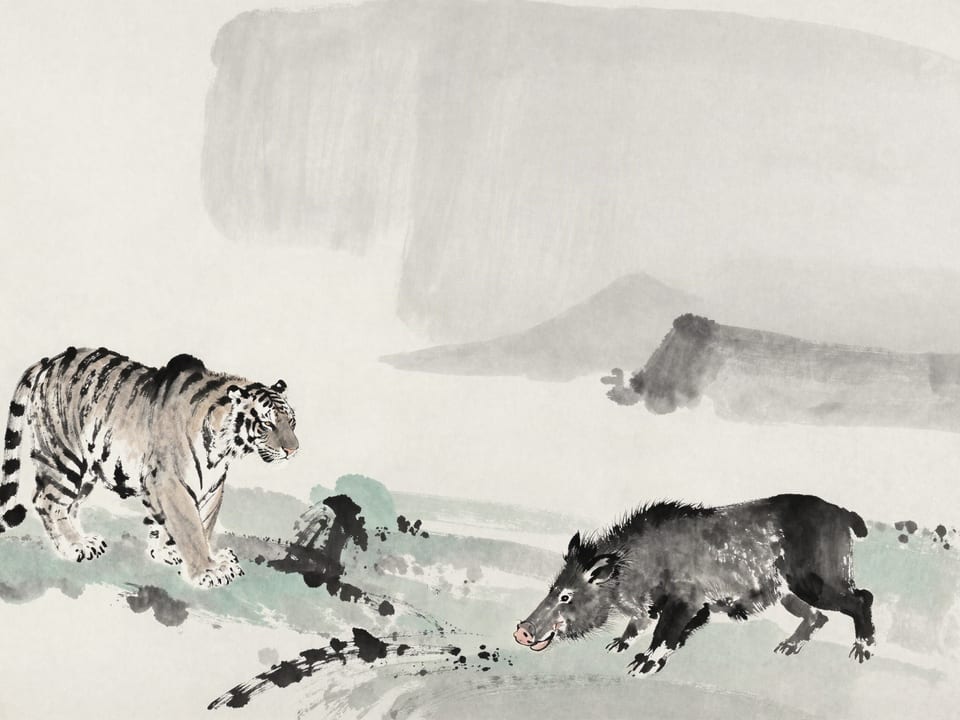
Do not meet peak energy; wait for the dip, then strike where resistance is low.
Chapter 7 converts the spirit-rhythm into doctrine: the clever general avoids an army when its spirit is keen, and attacks it when it is sluggish. The previous verse observed that morale has a shape; this one orders the commander to schedule around it. Avoidance here is not timidity but aim — the keen army is simply the wrong target at the wrong hour.
A startup is attacked by a large rival at the rival’s peak — a launch event, full-page coverage, maximum energy. It publicly concedes the week ("we congratulate them") and goes quiet, absorbing the assault without contesting it. Six weeks later, when the rival’s push has sagged into maintenance mode and its launch team has rotated to the next project, the startup ships its answer into the fatigue. The press calls it a counterattack; it was a schedule.
Waiting for the dip has a cost curve — your own spirit dips too, and the enemy you avoid may entrench while you wait. The verse applies to engagements you can time; some must be met at their peak, and Sun Tzu’s earlier rules (position, ground) govern those. The craft is knowing which contests obey the clock.