“Forget home; think only of the front.”
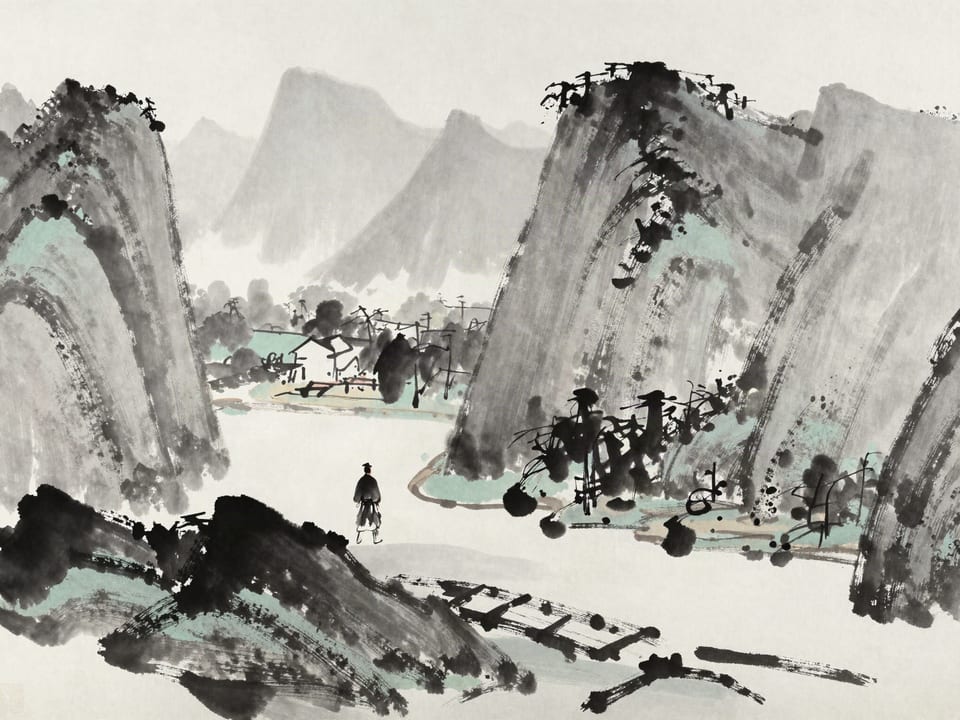
Releasing distant concerns focuses the force on the present fight; split attention splits strength.
Chapter 11 issues its starkest focus command: forget home; think only of the front. In context, the verse addresses armies deep on serious ground, whose thoughts drift toward the households and fields they left. Sun Tzu treats the drift itself as the danger — a divided mind halves the force before any enemy acts. The instruction is aimed not at callousness but at wholeness.
A turnaround CEO keeps one eye on the old business — the relationships, the legacy accounts, the identity of what the company was — while the front (the only business that will exist in two years) gets her residual attention. The company splits its best people the same way. The eventual clarity is brutal and liberating: the legacy business sold, the attention reunified, and the front receiving, for the first time, a whole leadership. Home was remembered fondly; the front was what survived.
Forgetting home is situational, not a life philosophy — Sun Tzu’s soldiers go home when the campaign ends, and the book never despises the household. The verse governs attention during the decisive push: whatever pulls your best thinking backward at the exact moment it is needed forward. Chronic application of this rule is how strategists lose the families the strategy was for.