“By persistently hanging on the enemy's flank we shall succeed in the long run.”
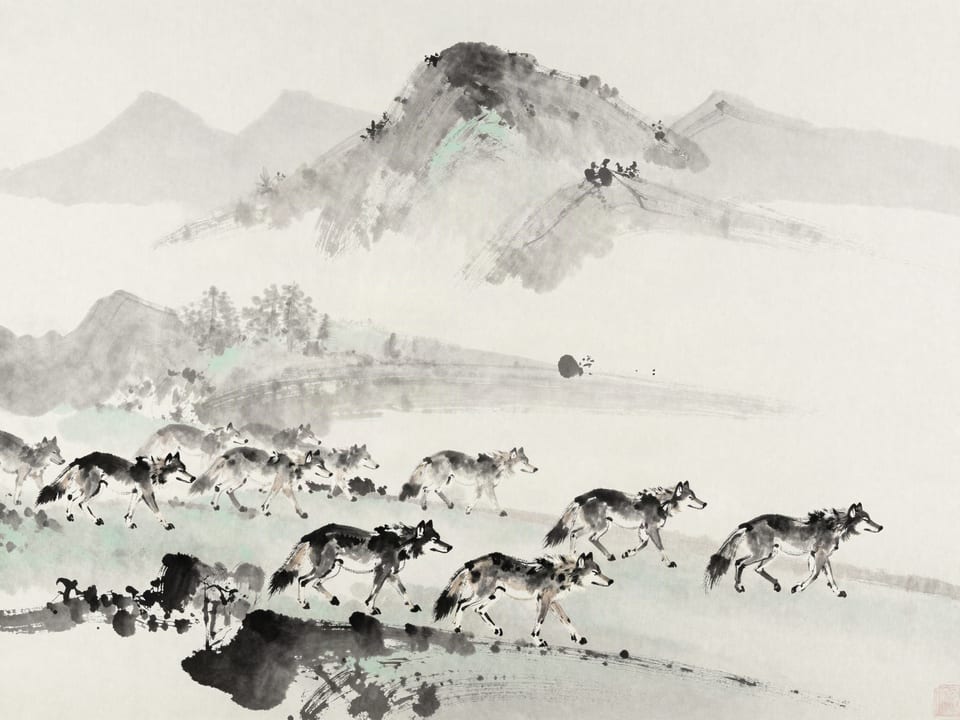
Sustained pressure on the side bends the opponent over time; patience on the flank pays.
Chapter 11’s flank doctrine: by persistently hanging on the enemy’s flank we shall succeed in the long run. Not breakthrough — persistence on the side. The flank is where the enemy is thinner, where his formations must turn to meet you, and where pressure compounds quietly. The verse is Sun Tzu’s blessing on the long, unglamorous campaign of position.
A challenger cannot dislodge the incumbent from the flagship accounts — the frontal war it tried for two years proved unwinnable. It shifts to the flank permanently: the mid-market, the neglected geographies, the second-tier partners the incumbent’s premium model cannot serve. Each year the flank widens; each widening makes the front thinner. In year six, flagship buyers start noticing their own vendors’ ecosystem migrating. Nobody won a battle. The flank won the war.
Flank pressure is not passive coexistence — the challenger committed fully, every year, to ground it chose. The distinction is direction: frontal assault seeks decision, flank pressure seeks accumulation. Organizations that mistake the verse for "avoid conflict and wait" are not on the flank; they have simply left the field, and time favors whoever is actually pressing.