“The skillful general conducts his army as if leading a single man, by the hand.”
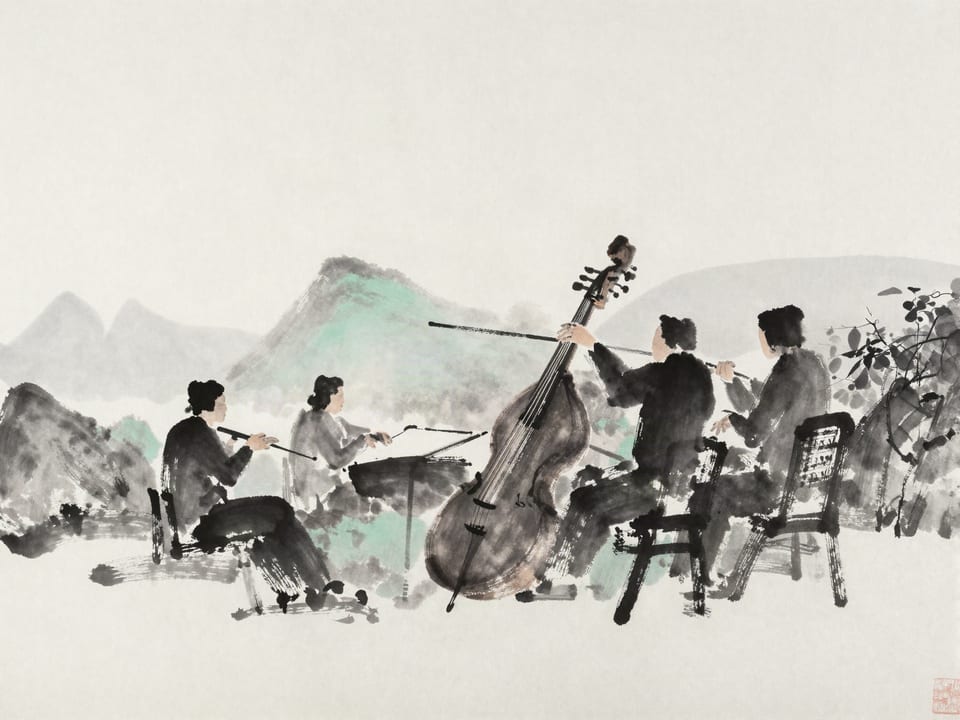
Command should make the mass move as a single guided body; unity under one hand is the art.
Chapter 11’s unity program closes on command itself: the skillful general conducts his army as if leading a single man, by the hand. The image deliberately dissolves scale — a hundred thousand soldiers, experienced as one person’s movement. Everything the chapter built (shared peril, one standard, the linked snake) exists to make this final sentence operationally true.
A CEO’s strategy is legible in the all-hands and lost by layer three — each management tier translates it for safety, and the front line receives a dialect no one recognizes. The fix is not more communication but a shorter nervous system: the strategy stated in one page that every layer repeats verbatim, decisions delegated within it, and the CEO’s hand visible in the few places only the CEO can touch. A year later, a support rep explains the strategy to a customer exactly as the founder would.
Leading by the hand is not micromanaging every finger — the general leads one body because the body is unified, not because he issues a thousand personal instructions. The verse comes after the unity verses, as their payoff. Command reaches the whole by building the conditions where direction travels intact, then keeping the hand light.