“It is only the enlightened ruler and the wise general who will use the highest intelligence of the army for purposes of spying, and thereby they achieve great results.”
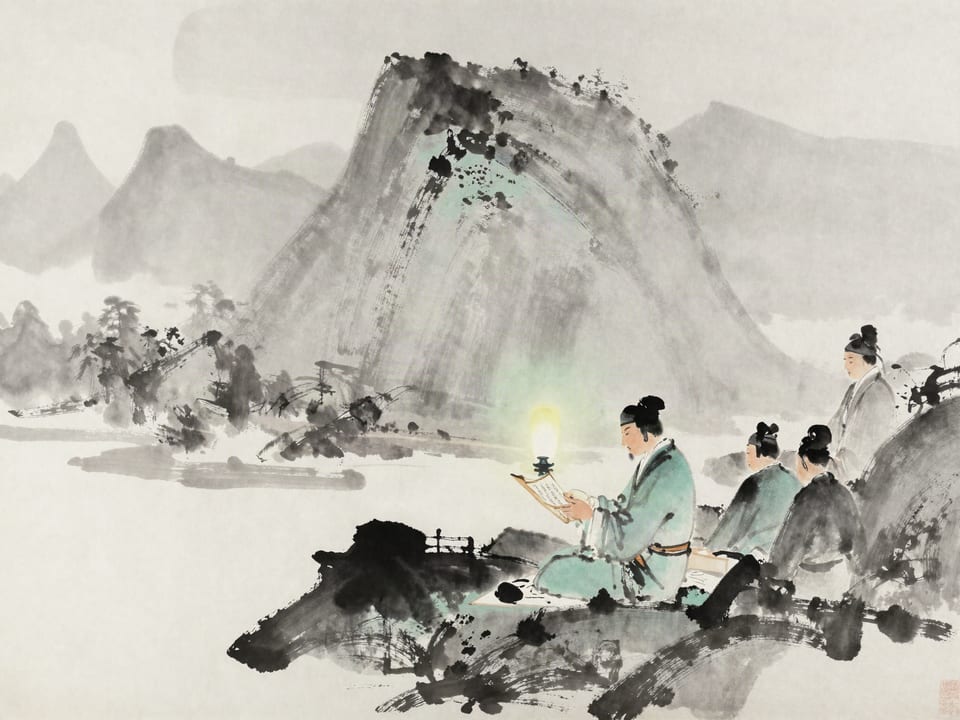
The best leaders personally direct intelligence and gain outsized results; treat it as a top function, not a chore.
The final sentence of The Art of War: it is only the enlightened ruler and the wise general who will use the highest intelligence of the army for purposes of spying, and thereby they achieve great results. The book ends not with battle but with information, and not with delegation but with personal attention — the best minds, personally directed, at knowing. Sun Tzu’s last word is an org chart: intelligence reports to the top.
Two firms in the same market run intelligence functions. One delegates it to a junior analyst who compiles a competitor newsletter nobody reads — a chore, organized as such. The other’s CEO personally owns the weekly intelligence review: the best product thinker in the company spends two hours with the raw sources, and the entire executive team adjusts. Same spend, same information environment. One firm is informed; the other is subscribed.
Top-directed is not micromanaged — the ruler directs the function, sets its questions, and receives its flow; the spies and analysts run the daily craft. What the verse insists on is seniority of attention: the organization’s best judgment applied to its best information. A book that began with "the art of war is of vital importance to the State" closes by saying where the state’s finest minds should be pointed — at knowing first.