“We may distinguish six kinds of terrain: accessible, entangling, temporising, narrow passes, precipitous heights, and positions at a great distance.”
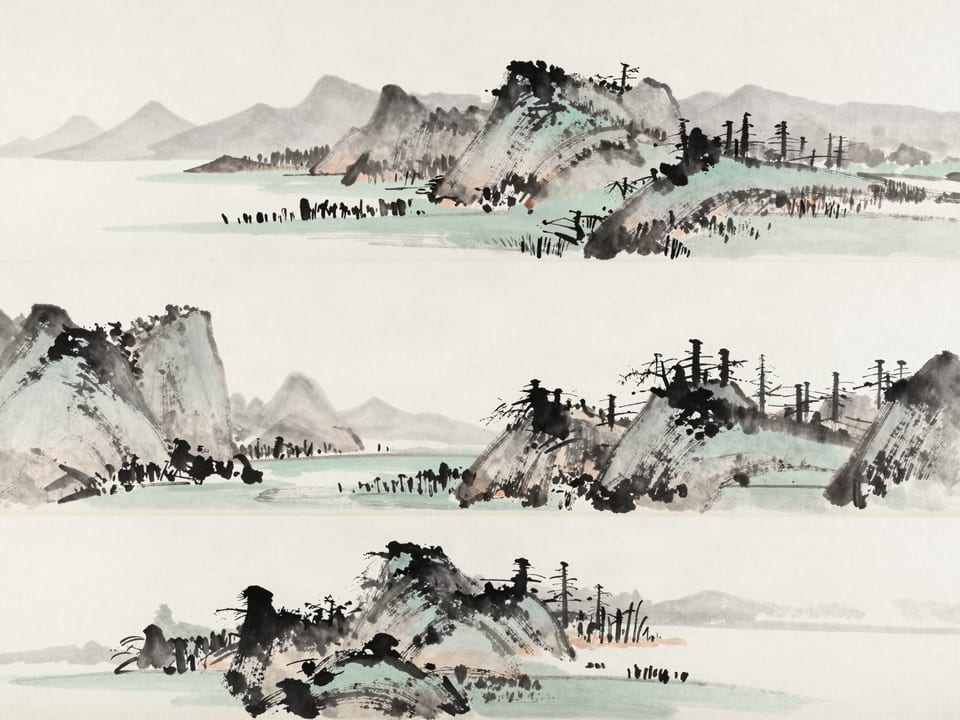
Terrain types dictate different rules; identify which one you are on before choosing the move.
Chapter 10 opens with its taxonomy: six kinds of terrain — accessible, entangling, temporising, narrow passes, precipitous heights, and positions at a great distance. The chapter’s method is classification before prescription; each ground type arrives with its own rule in the following verses. Sun Tzu begins the terrain chapter not with fighting but with naming, because the name selects the rule.
An executive maps her company’s expansion targets onto the six grounds without stretching the metaphor: accessible (open market, both sides can enter freely — race for position), entangling (hard to exit once entered — only with surprise), narrow passes (chokepoints: the one certification, the one distributor), precipitous (standards and platforms where first occupant holds advantage). The exercise changes the agenda: two "obvious" markets reclassify as entangling, and the certification she’d deprioritized reclassifies as the pass.
Taxonomies are lenses, not truths — real situations blend grounds (a market can be accessible in segment and narrow in channel), and Chapter 8 already warned against applying one rule everywhere. The value is diagnostic honesty: forcing the question "what ground is this, actually?" before the question "what should we do?" Most strategy skips the first question and answers the second badly.