“When in difficult country, do not encamp. In hemmed-in situations, you must resort to stratagem. In a desperate position, you must fight.”
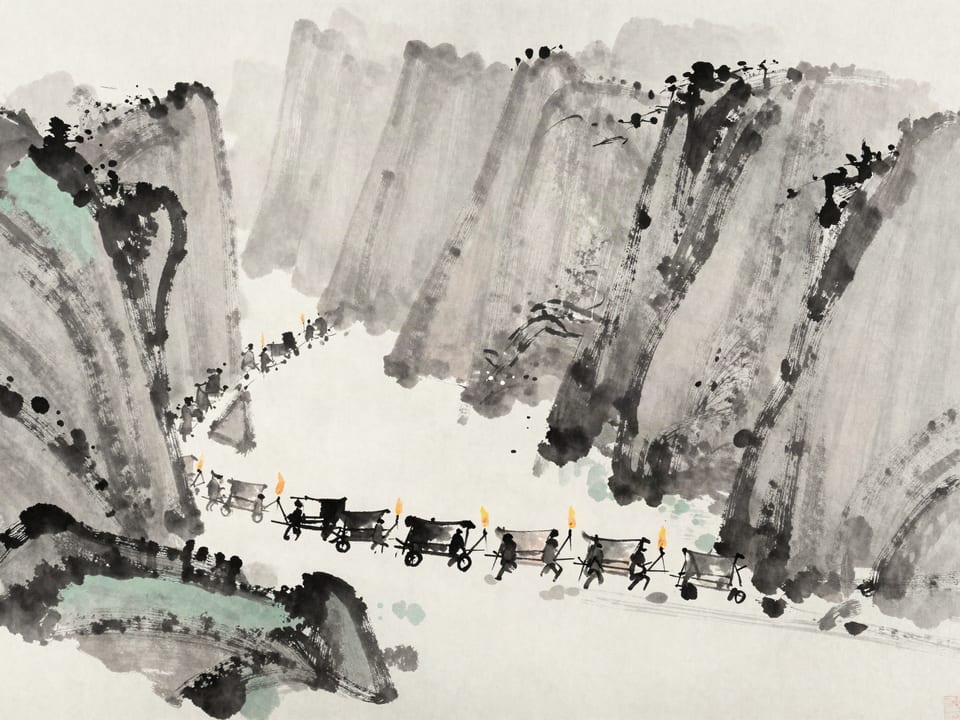
No single rule fits every terrain; the situation selects the method, so read the ground first.
Chapter 8’s first teaching is a decision table: in difficult country, do not encamp; in hemmed-in situations, resort to stratagem; in a desperate position, fight. Three terrains, three verbs, zero universals. The chapter on variation begins by stripping the reader of any single rule — including the rules from chapters one through seven, which applied to other ground.
A startup playbook says: focus ruthlessly on one product. Applied in open country — a growing market, patient capital — it built the company. The same rule, applied in hemmed-in ground (a shrinking niche, a dominant buyer, cash running out), is a death sentence; that terrain demands stratagem — partnership, pivot, sale. The founders who recited "focus" while the walls closed were not being disciplined. They were encamping in difficult country.
Reading terrain is not relativism — the table has entries, and desperate ground really does prescribe fighting; it does not prescribe whatever you feel. The lesson removes the comfort of universal rules while keeping the severity of situational ones. The commander who "adapts" to every terrain by doing what he wanted anyway has learned nothing from the verse.