“Whoever is first in the field and awaits the coming of the enemy will be fresh for the fight; whoever is second will arrive exhausted.”
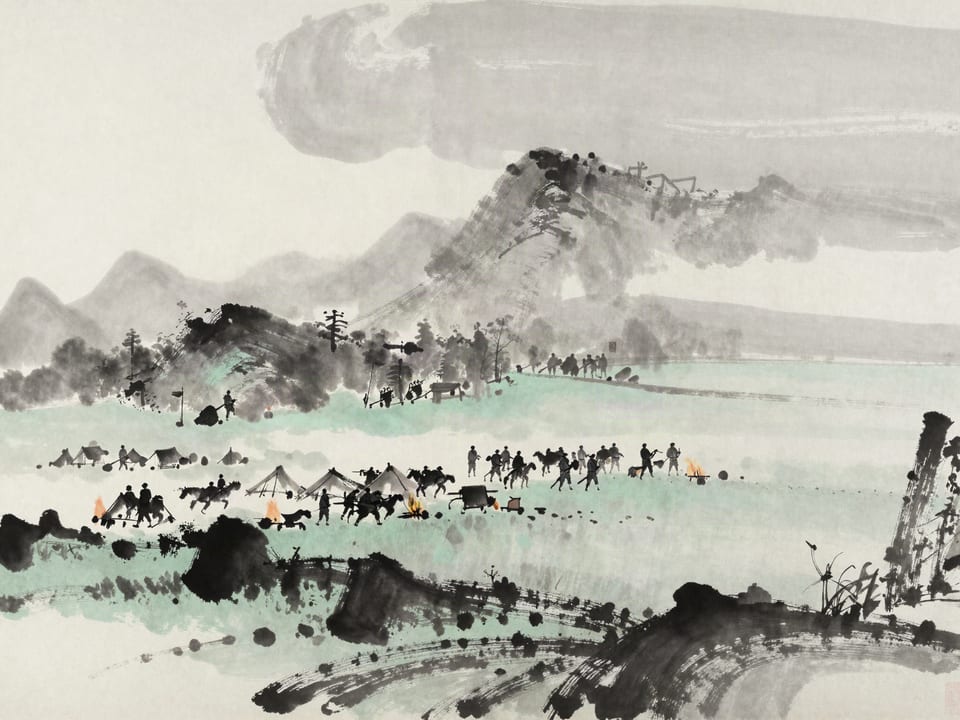
The side that waits on its own ground meets a tired opponent; readiness is a quiet advantage.
Chapter 6 opens its manual of initiative with a doctrine of arrival: first in the field and awaiting the enemy, you fight fresh; second, you arrive exhausted. The insight is that contests are partly decided before contact by who set the rendezvous. Sun Tzu begins the weak-points chapter here because every technique that follows — appearing where unexpected, denying comfort — exploits the same asymmetry: one side rests on chosen ground, the other hurries.
A candidate treats the interview as a meeting; her rival treats it as the field. The rival has visited the office, tested the commute at the same hour, rehearsed in the same building’s lobby, and arrives with notes typed the night before. By 9:00 a.m. one candidate is warm and rooted, the other is finding the restroom. Nothing on the CV differs; the field position does.
Being first is not haste — the verse’s first arrival "awaits," which requires having arrived early enough to wait. Scrambling in ahead of the enemy by an hour buys exhaustion, not position. The doctrine is about the rendezvous: fix it where and when you are strong, and let the schedule itself do the tiring.