“The clever combatant imposes his will on the enemy, but does not allow the enemy's will to be imposed on him.”
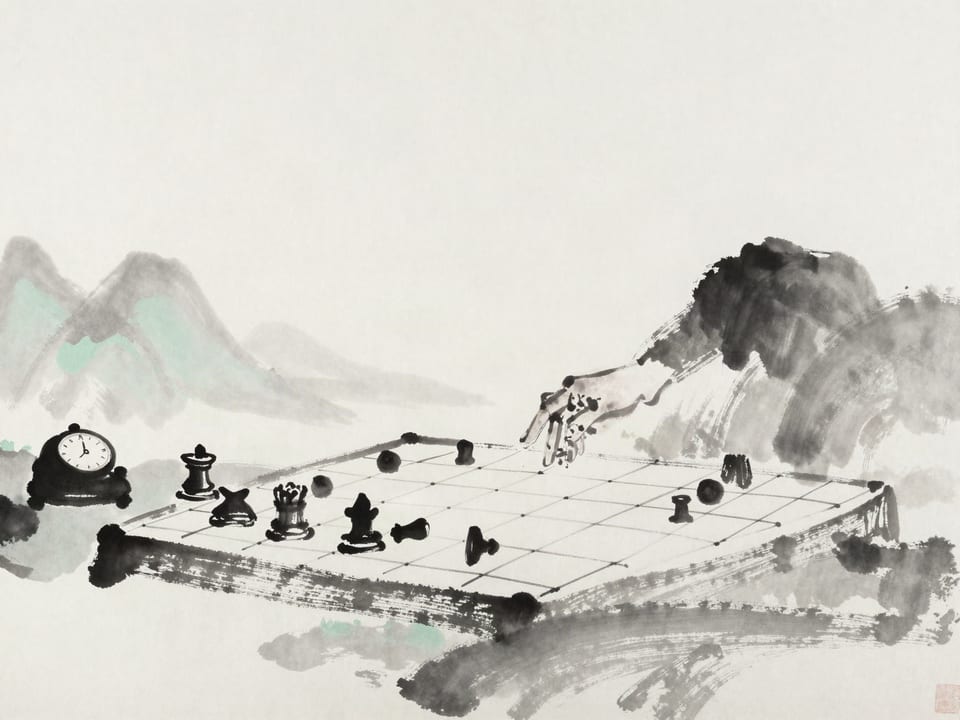
Control the interaction by forcing your rhythm on the opponent while denying them theirs.
Chapter 6 restates its initiative doctrine in the language of will: the clever combatant imposes his will on the enemy, but does not allow the enemy’s will to be imposed on him. It is the chapter’s thesis in miniature — every subsequent verse (harass, appear unexpectedly, compel engagement) is a technique of imposition. What Sun Tzu adds here is the refusal half, without which all the technique collapses.
A vendor lets each customer set meeting cadence, discount timing, and scope changes — and finds its quarters reshaped by other people’s calendars. Its discipline arrives as two policies with a reason: reviews happen on the vendor’s monthly cycle, and scope changes batch to the same window. Customers grumble for a quarter and then adapt; the vendor’s roadmap, for the first time in years, belongs to the vendor.
Imposing tempo is not rigidity — Sun Tzu adapts like water elsewhere. The will being imposed is narrow and specific: the rhythm and ground of engagement. Confuse it with imposing your will on outcomes — making customers accept terms they hate — and you win tempo battles while losing the field. Set the schedule; earn the result.