“Military tactics are like unto water; water runs away from high places and hastens downwards. So in war, avoid what is strong and strike at what is weak.”
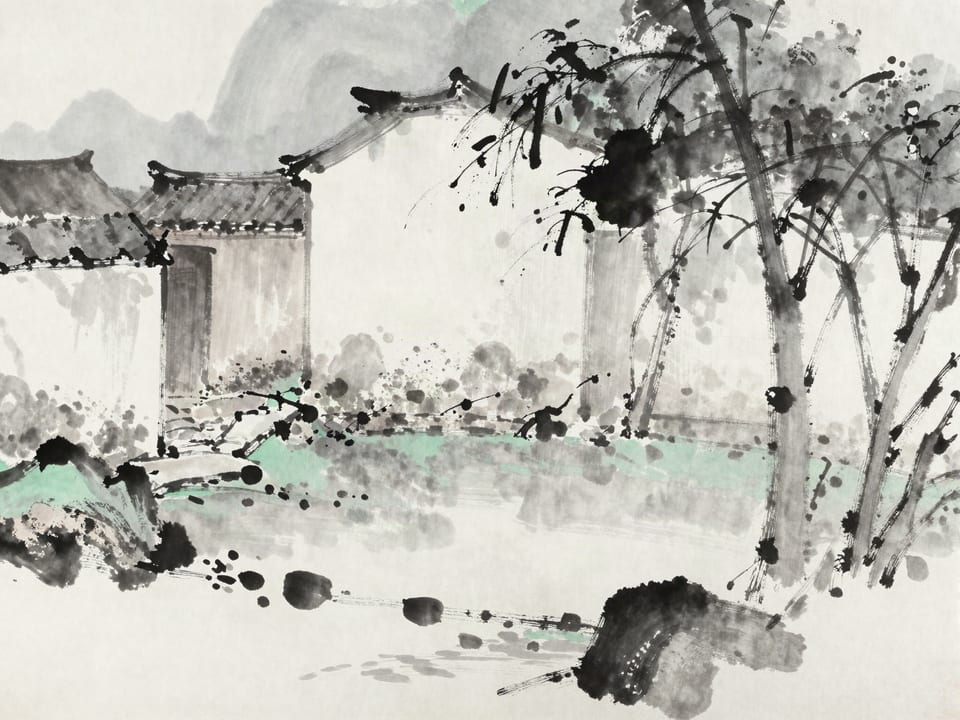
Like water, take the path of least resistance to the weak point; do not batter the strong.
Chapter 6 introduces the image that defines it: military tactics are like unto water — an army avoids strength and hastens to weakness just as water runs from heights and hastens downward. The comparison is not poetic decoration; it is a routing algorithm. Water never negotiates with rock, never grinds heroically uphill. It finds the gradient, and the gradient does the moving.
A consultancy loses every bid it contests against the big-four brand — and keeps bidding, refining, losing. A partner finally re-routes: same expertise, aimed where the gradient runs — disputes too small for big-four minimums and too technical for boutique firms. The practice fills in a year. Nothing about the firm’s skill changed; the water simply stopped trying to climb the brand-name cliff.
Flowing to weakness is not avoiding all difficulty — some gradients run through hard ground, and water still takes them. The error is gravitational heroism: meeting the strongest point because it is the most visible one, and calling the battering commitment. Ask of any push: am I here because the ground favors me, or because the enemy is famous here?