“Just as water retains no constant shape, so in warfare there are no constant conditions.”
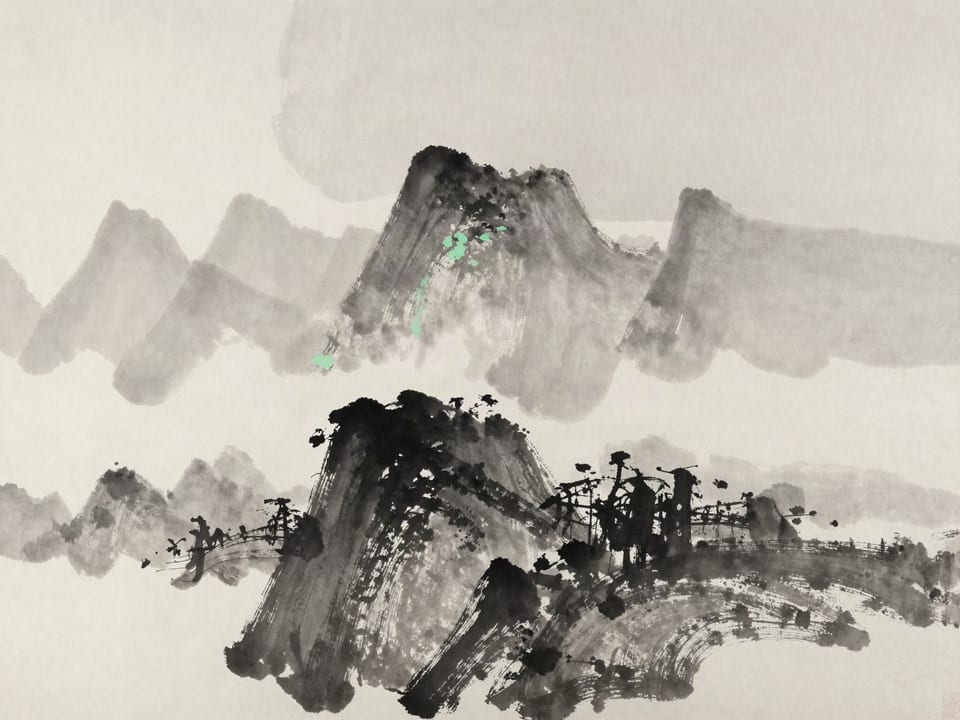
Fixed forms fail because the ground changes; hold principles, not rigid shapes.
The water image resolves into doctrine: just as water retains no constant shape, so in warfare there are no constant conditions. This is Chapter 6’s exit — after pages of specific tactics, Sun Tzu withdraws them all. The verse is the book’s standing warning against doctrine itself: any shape that worked was an answer to yesterday’s conditions, and conditions are under no obligation to repeat.
A retailer’s operating shape — big-box stores, weekly deliveries, seasonal catalogs — was an answer to 1995’s conditions. It remains "the model" long after the conditions it answered have been replaced. The companies that survived the change were not the ones with better versions of the shape; they were the ones that noticed shape itself was the liability and let it dissolve into channels, formats, and rhythms fitted to the new ground.
No constant conditions does not mean no constants — gravity does not change for water, and Sun Tzu’s principles (know yourself, preserve force, strike weakness) are the gravity here. What must stay fluid is the shape: org design, channel mix, product form. Leaders who treat principles as fluid have dissolved their strategy entirely; leaders who treat shapes as permanent have embalmed it.