Position before contest

Sun Tzu for Business

Strip away the chariots and The Art of War is a business book: compete where you’re strong, never pay retail for a war of attrition, and know that the battle is decided in the preparation nobody sees. These ten are the sharpest for operators and executives.

Each note translates the passage into the operating cadence — pricing, competition, talent, capital allocation. You’ve seen some of these lessons in the daily rotation; here they’re arranged as a single argument: the best companies win before they compete.

10 lessons · every passage with its ink illustration · or read the whole thing →

1

The best market share is taken, not fought for. Position so the customer prefers you before the comparison happens — distribution, brand, integration. Head-to-head feature combat is what you do when positioning failed.

“To fight and conquer in all your battles is not supreme excellence; supreme excellence consists in breaking the enemy’s resistance without fighting.”
不战而屈人之兵,善之善者也
The highest victory is won without force.

The best outcome is not beating the opponent; it is making the fight unnecessary. Through positioning, incentives, and reputation, you can achieve your goal without the cost and damage of open conflict. This is the peak of strategy.
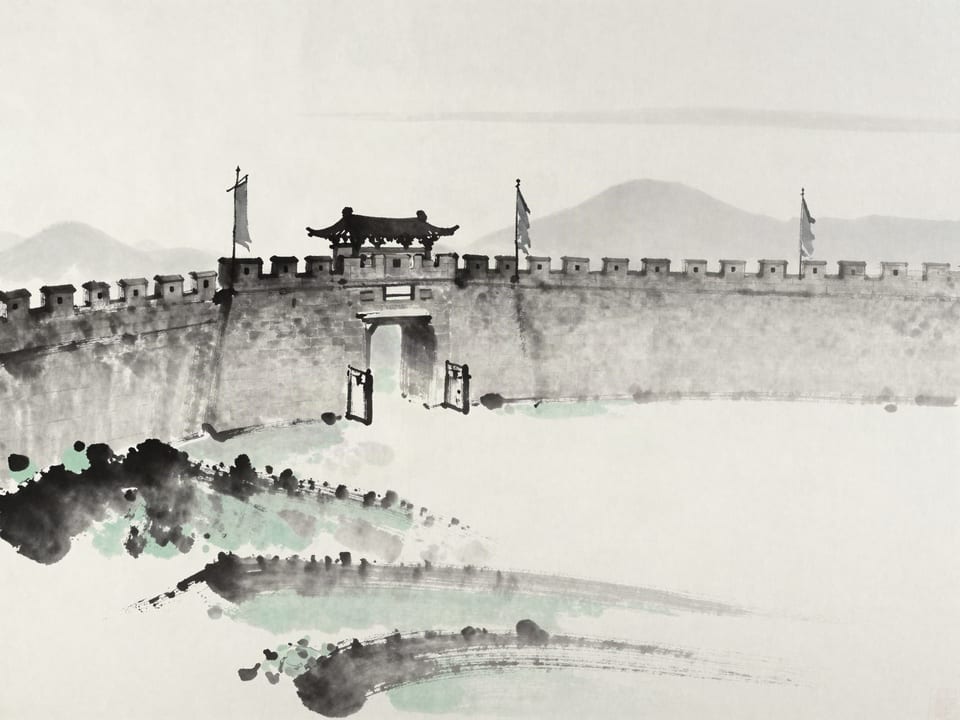
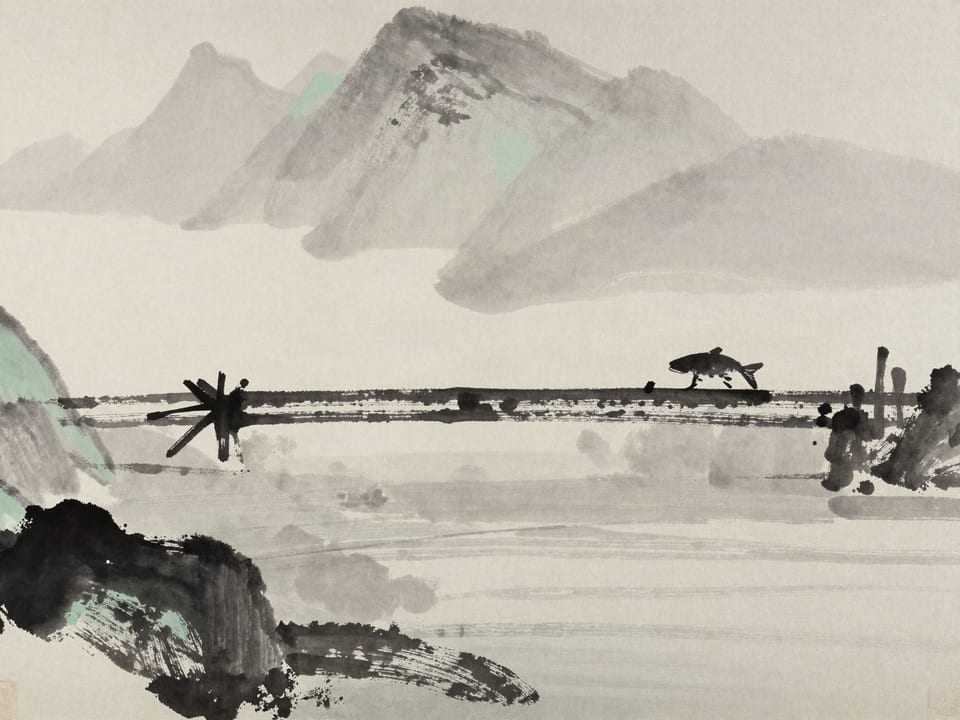
Ink wash painting: A fortress gate standing open and unguarded, banners hanging still in calm air, nothing disturbed.
This lesson, in full →
2

No one profits from a protracted price war. Run the two-year P&L of “winning” a discount war — the math vetoes it in month two. Quick decisive wins or graceful exits; nothing in between.

“There is no instance of a country having benefited from prolonged warfare.”
Protraction serves no one in the end.

Sustained conflict drains both sides; the winner merely loses less, so end things on your terms fast.

Ink wash painting: A scorched battlefield overgrown with weeds, both banners lying torn in the grass.
This lesson, in full →
3

Make them defend everywhere. When a rival must protect every segment, channel, and account, they’re strong nowhere. Focus your force on the two places they can’t afford to lose.

“If he sends reinforcements everywhere, he will everywhere be weak.”
Defending everything weakens everything.

Spreading defense to all points makes every point weak; force the opponent into that dilemma.

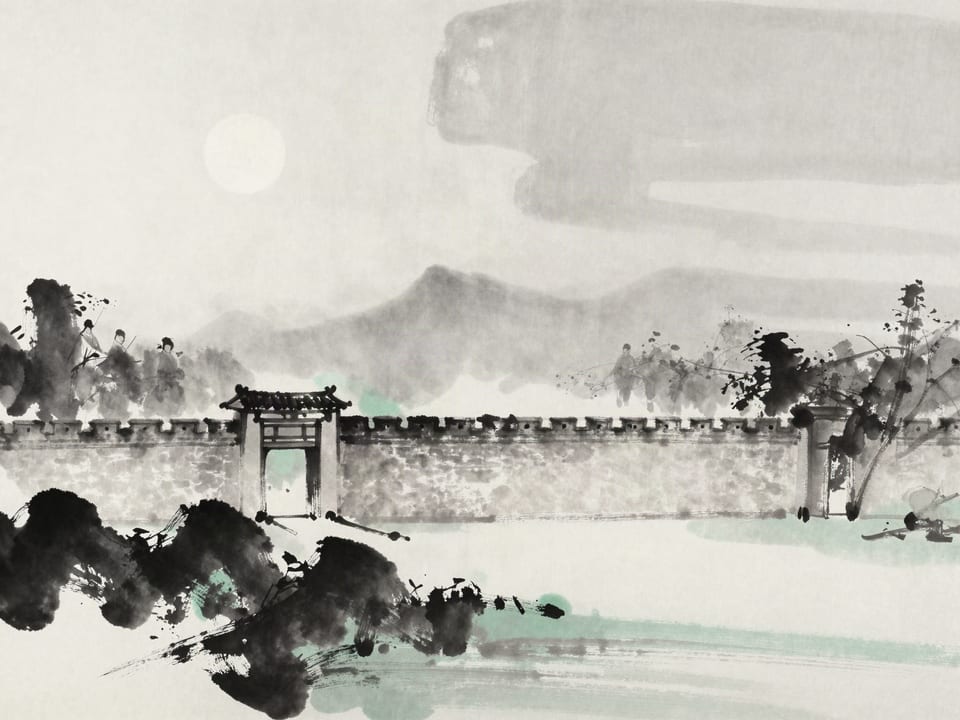
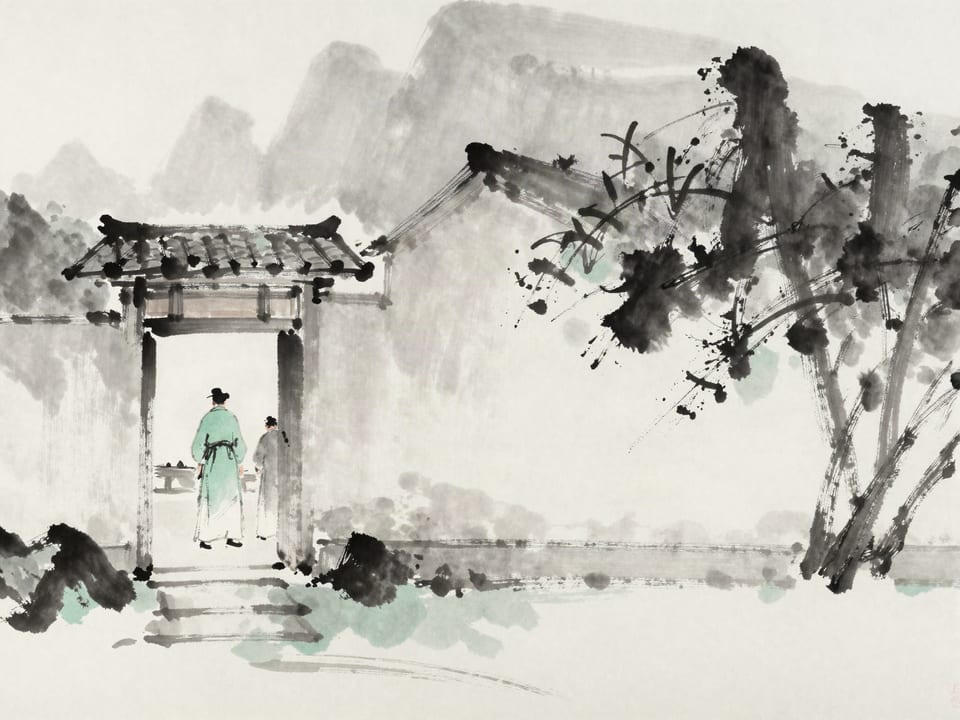
Ink wash painting: A garden wall with guards at the great gate and a low unwatched stretch in the moonlight.
This lesson, in full →
4

Concentration has externalities. Your “all-hands priority” raises the internal price of everything else — talent, attention, roadmap. Budget the distortion your own focus creates, or it budgets you.

“The proximity of an army causes prices to go up; and high prices cause the people's substance to be drained.”
Concentration distorts the market around it.

Massed effort sucks up local resources and raises the price of everything nearby; plan for the spillover.

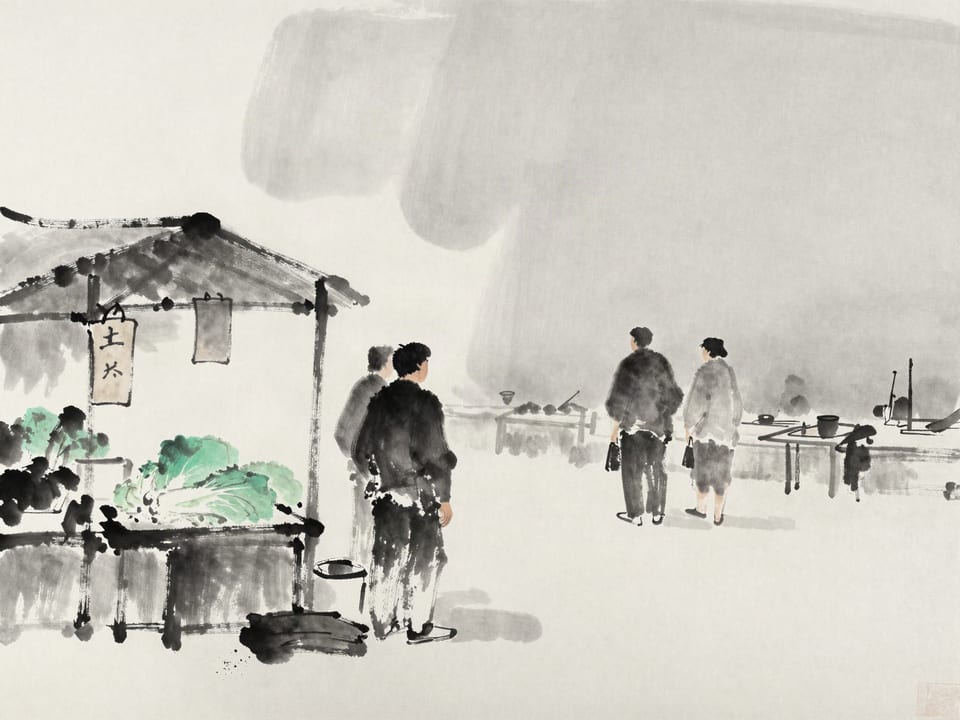
Ink wash painting: A market stall where a single cabbage sits beneath a high price tag, buyers turning away.
This lesson, in full →
5

Match the method to the ratio. Ten-to-one: surround. Two-to-one: divide. Below parity: avoid. Most strategy failures are the right verb at the wrong ratio — attacking a position you should be flanking.

“If our forces are ten to the enemy's one, surround him; if five to one, attack him; if twice as numerous, divide our army into two.”
Match the method to the ratio.

Force application depends on the odds; the same move is right or wrong by a factor of two.

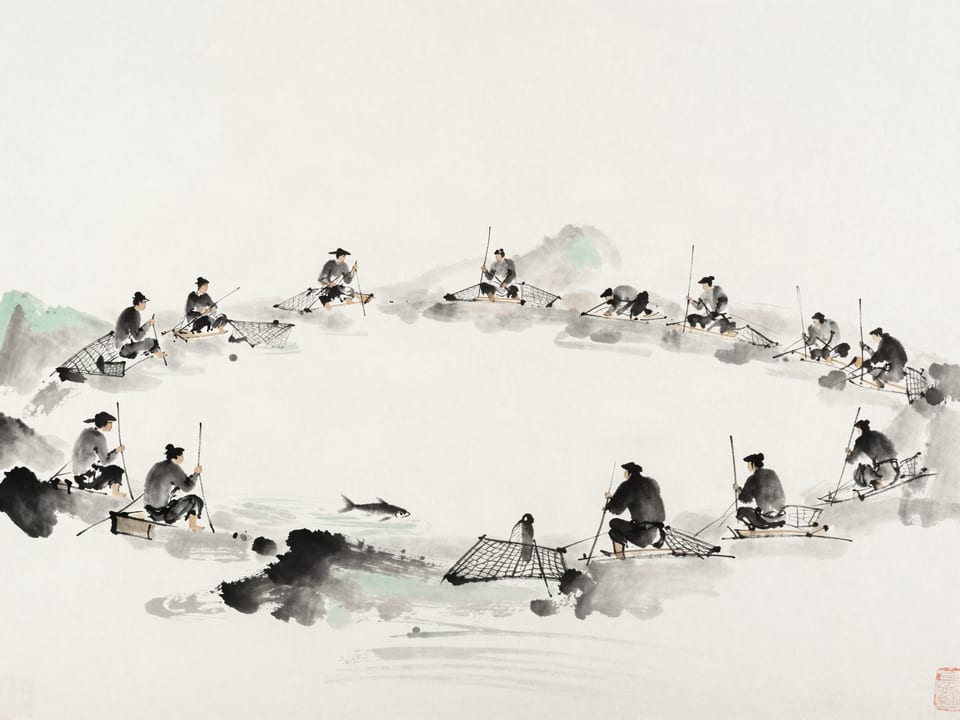
Ink wash painting: Ten fishermen with nets arrayed in a wide circle around a small pond, one fish beneath the surface.
This lesson, in full →
6

Foreknowledge beats forecasting. The deal that closes was known in advance — retention terms, renewals, the counterparty’s real constraint. Buy the $30K study before the $4M write-down.

“What enables the wise sovereign and the good general to strike and conquer is foreknowledge.”
Foreknowledge is the edge.

Acting on what is known beforehand, not luck, is what lets the capable win; knowledge precedes the strike.

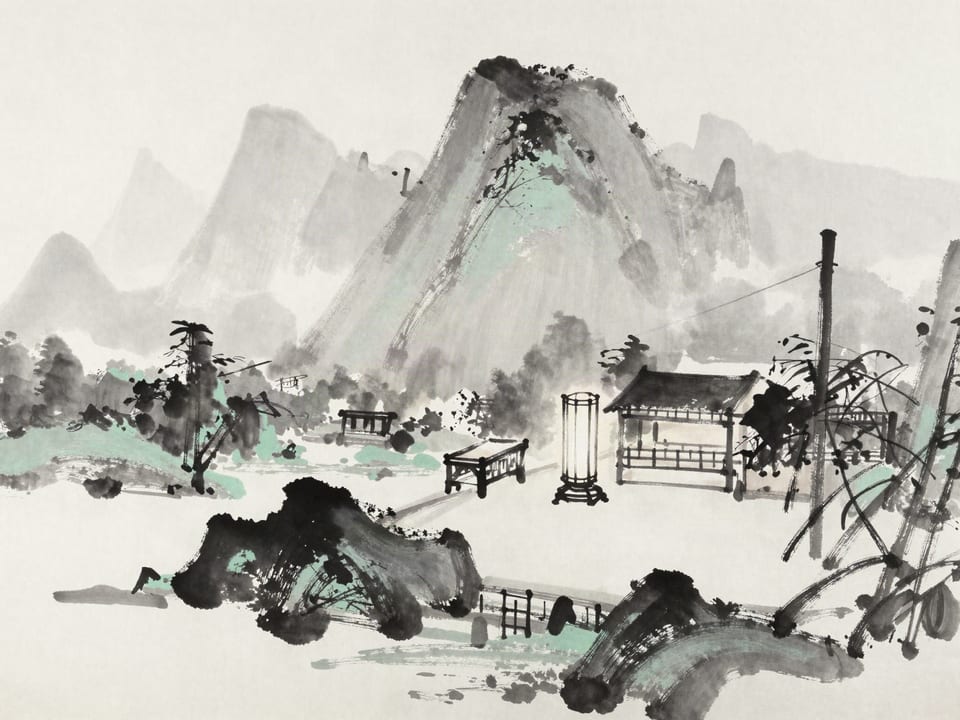
Ink wash painting: A lantern-lit map room the night before battle, every enemy position already marked.
This lesson, in full →
7

Victory is the last link in a chain. Measure, estimate, calculate, balance — then victory arrives almost as a formality. Companies that skip links don’t fail at the end; they fail at the link they skipped.

“Measurement, Estimation, Calculation, Balancing of chances, Victory: such is the sequence.”
Victory is the last link in a chain.

Victory is the output of a sequence — measure, estimate, calculate, weigh — not a single act of will.

Ink wash painting: A carpenter’s ink line snapped taut across a long beam, marking the straight path.
This lesson, in full →
8

Under-buying intelligence is the most expensive thrift there is. Declining the market study, the diligence, the expert call — the savings are booked by one budget; the cost is paid by another, with people.

“To remain in ignorance of the enemy's condition simply because one grudges the outlay of a hundred ounces of silver is the height of inhumanity.”
Stinginess on intel is cruelty.

Refusing to pay for knowledge that would save lives is a moral failure, not thrift; buy the information.

Ink wash painting: A physician’s fee refused at the door while the illness spreads through the house.
This lesson, in full →
9

Fight the purpose, not the announcement. The rival’s press release is not the strategy — find what they actually need to achieve (retention before earnings, scale before a raise) and act there.

“Success in warfare is gained by carefully accommodating ourselves to the enemy's purpose.”
Bend to the enemy's aim.

Victory comes from fitting your action to what the opponent is actually trying to do; read his purpose and move with it.

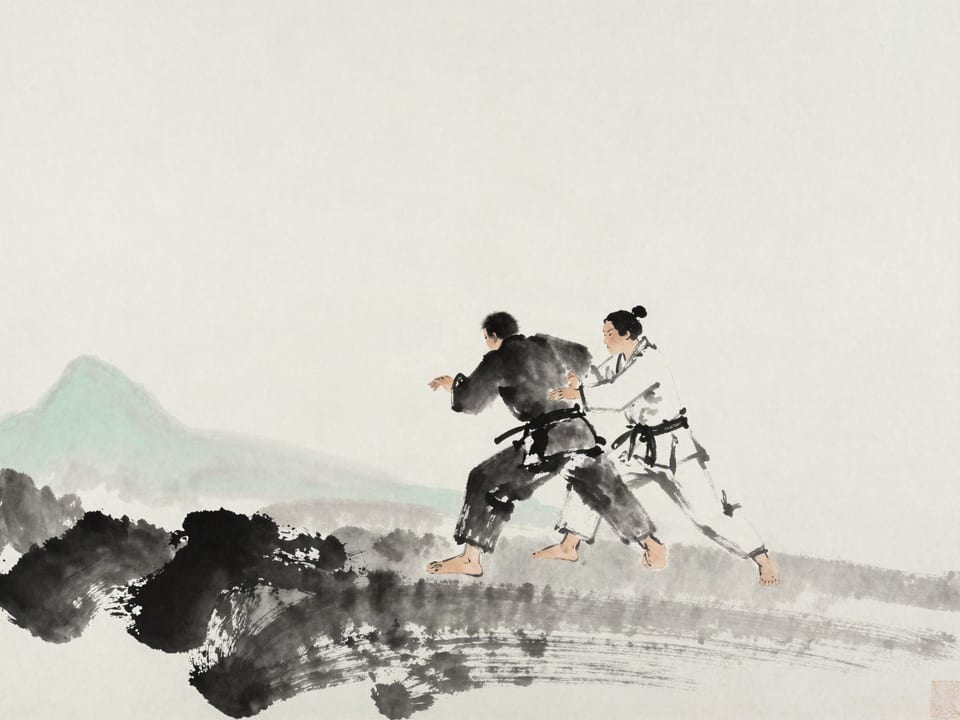
Ink wash painting: A judo master stepping aside as an attacker’s charge carries him past, unresisted.
This lesson, in full →
10

Quiet systems beat heroics. The org that prevents fires keeps losing talent to the org that fights them — until you make prevention visible, promoted, and paid. Reward the uneventful quarter.

“His victories bring him neither reputation for wisdom nor credit for courage.”
Easy wins look like nothing.

The best victories appear effortless and earn no praise; do not confuse recognition with effectiveness.

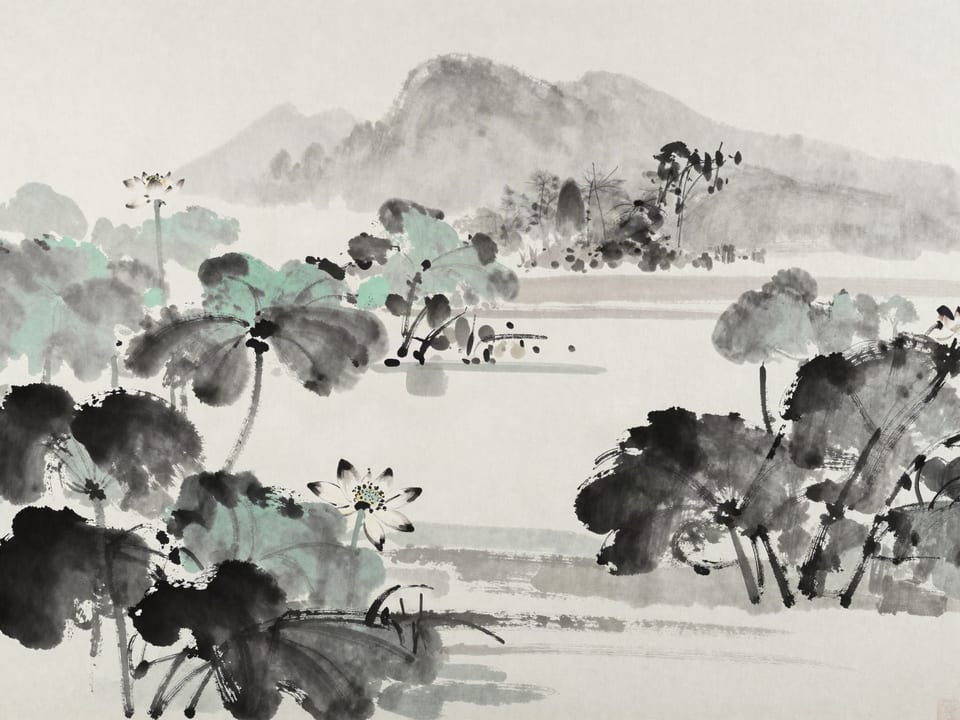
Ink wash painting: A quiet gardener’s pond with perfect lotus blooms, no visitors, the path untrodden.
This lesson, in full →

Another path through the book