For kids — and the grown-ups reading with them

Sun Tzu for Kids

The Art of War is really a book about making good choices — and kids make big choices every day: the test, the tryout, the game, the friendship that got hard. These eight ideas, kept honest to the original text, are retold here in kid language.

A note for grown-ups: read these together. Each one ends with the original quotation, so the grown-up version and the kid version live on the same page. Nothing here is about fighting people — it’s about practicing first, waiting well, and knowing when to be wind and when to be mountain.

8 lessons · every passage with its ink illustration · or read the whole thing →

1

Know the game and know yourself. Before the big test or the big match, ask two questions: what will actually be on it, and what am I actually good at? Fear gets smaller when both answers are real.

“If you know the enemy and know yourself, you need not fear the result of a hundred battles.”
知彼知己,百战不殆
Information is the foundation of confidence.

Confidence without information is recklessness. Sun Tzu’s most famous line is a discipline of two-sided knowledge: understand your own strengths and limits, and understand the other side’s. With both, uncertainty shrinks and decisions become less fearful.
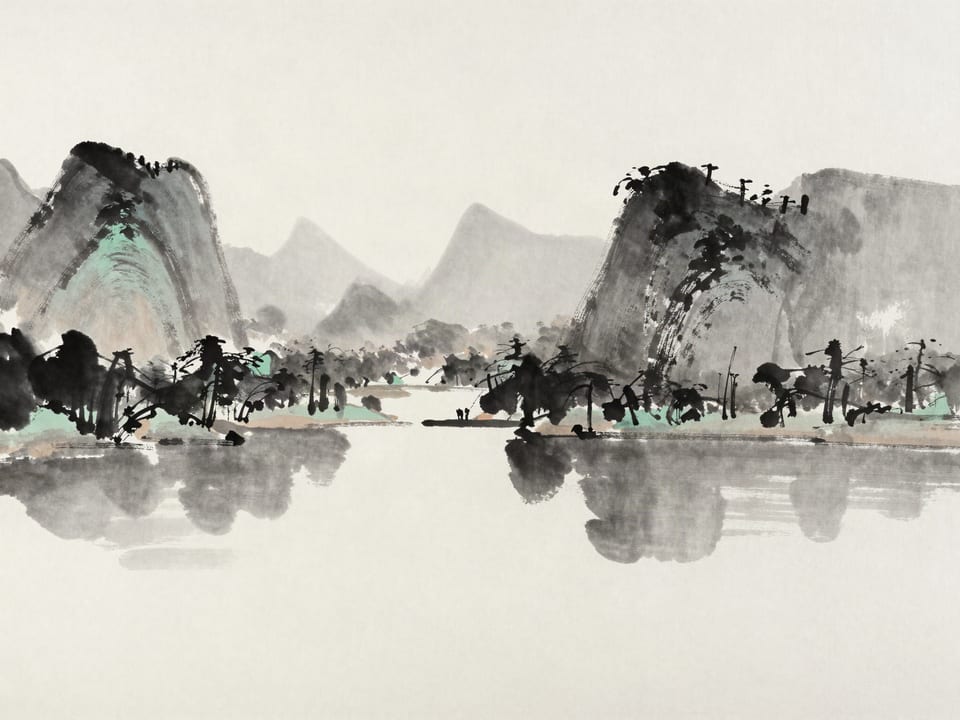
Ink wash painting: Two mountain peaks facing each other across a still river, perfectly mirrored in the water, equally matched.
This lesson, in full →
2

Homework is the battle. The kids who seem to “just win” usually did the quiet work first — the practice problems, the flashcards, the free throws. The winning happens before the whistle.

“The general who wins a battle makes many calculations in his temple ere the battle is fought. The general who loses a battle makes but few calculations beforehand.”
多算胜,少算不胜
Prepare and calculate before you commit.

Victory is decided in planning, not in the moment of contact. The person who thinks through scenarios, resources, and risks in advance wins; the person who improvises under pressure loses. Calculation is the quiet work that precedes confident action.

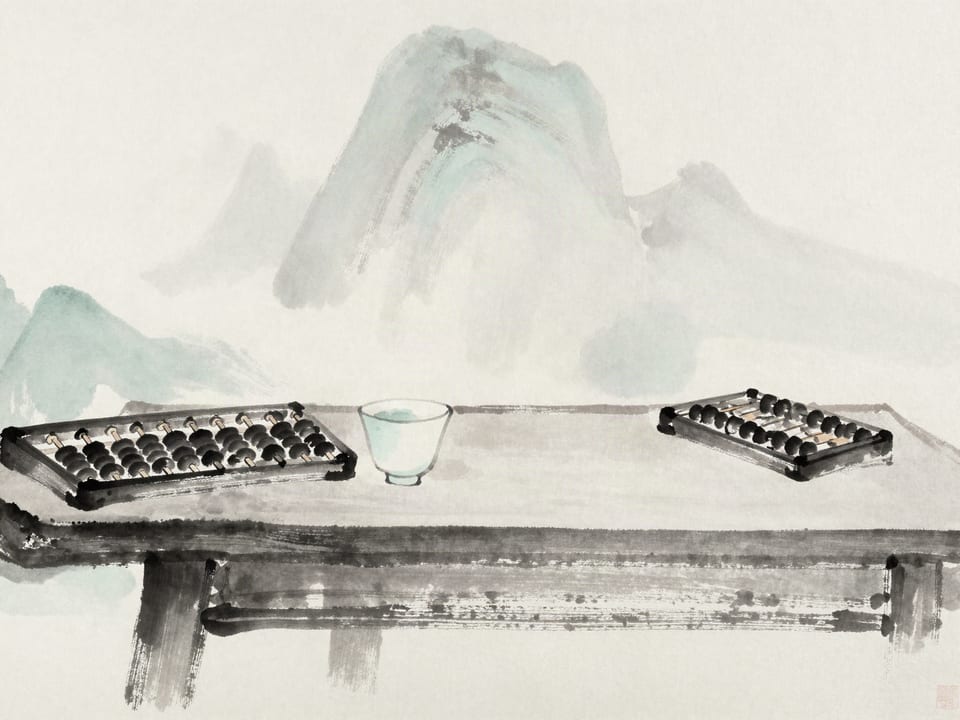
Ink wash painting: A scholar’s abacus with a few beads moved, resting beside an empty teacup on a plain wooden desk.
This lesson, in full →
3

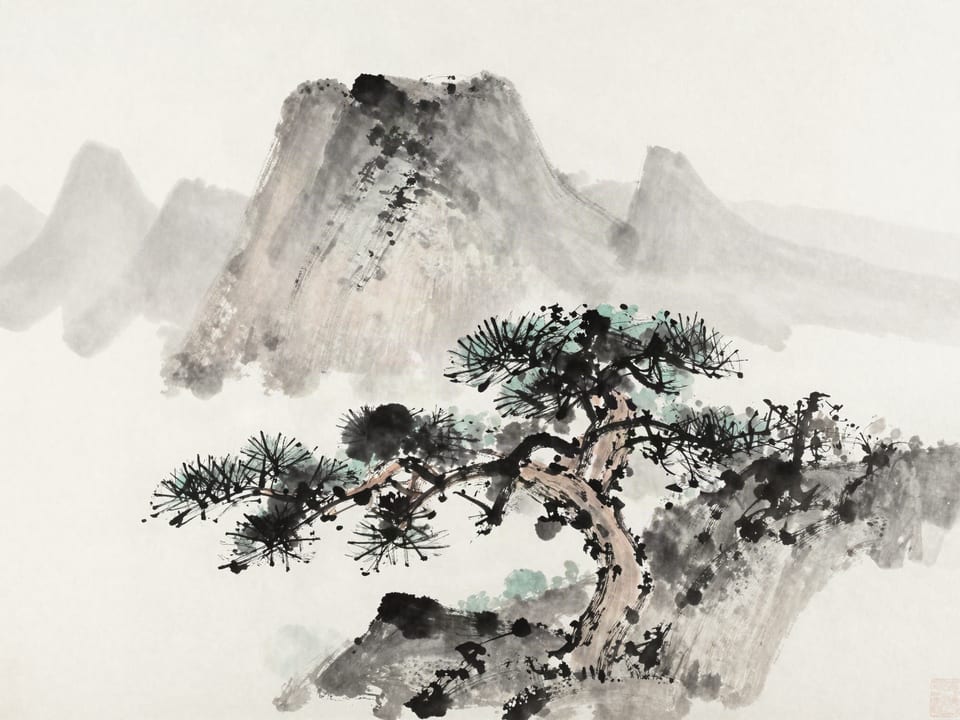
Four speeds, one you: Wind is fast and light, Forest is calm and together, Fire is all-focus for a short burst, Mountain is still and unmoved. Big feelings get easier when you can name which one the moment needs.

“Let your rapidity be that of the wind, your compactness that of the forest. In raiding and plundering be like fire, in immovability like a mountain.”
其疾如风,其徐如林,侵掠如火,不动如山
Match your tempo to the moment — fast, ordered, fierce, or still.

Different moments demand different qualities: speed when opportunity opens, order when coordinating, intensity when striking, and stillness when defending. Mastery is knowing which posture the moment calls for.

Ink wash painting: A pine bending in strong wind in the foreground, an unmoving mountain rooted solid behind it, mist between.
This lesson, in full →
4

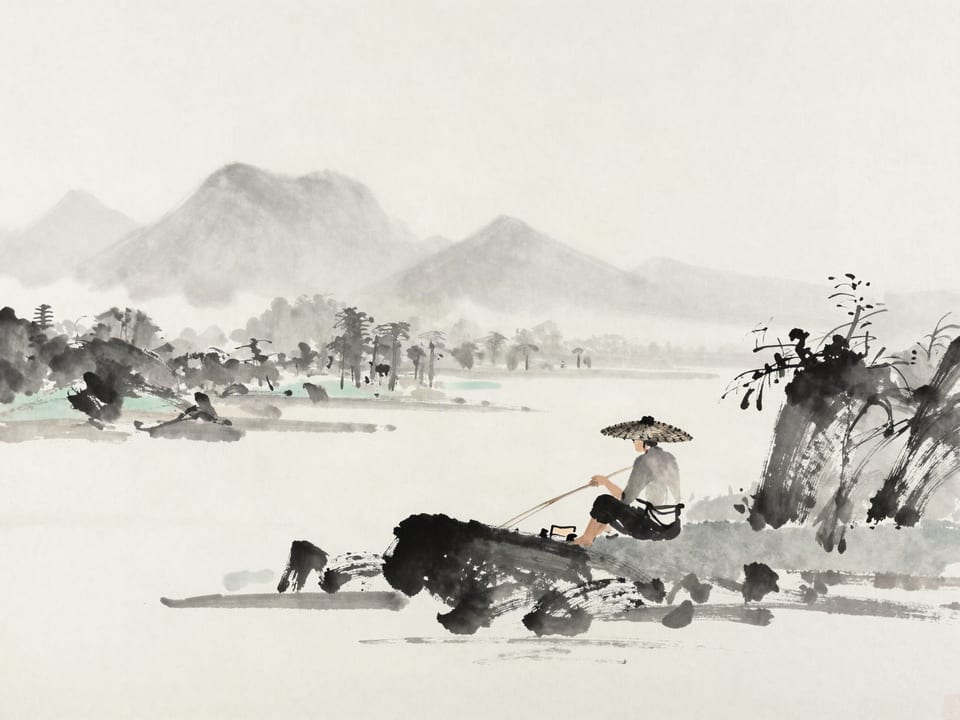
Practice and wait. Your turn might not be today — and that’s not unfair, that’s timing. Keep practicing so that when your moment comes, you’re ready. Waiting while preparing is not the same as doing nothing.

“He who is prudent and lies in wait for an enemy who is not, will be victorious.”
Prepare and wait for the unprepared opponent.

Patience is a weapon. The prepared party who waits for the right moment beats the unprepared party who rushes in. In markets and business, discipline — preparing and waiting — is itself an edge.

Ink wash painting: A fisherman seated motionless under a straw hat, rod steady, morning mist on an empty river.
This lesson, in full →
5

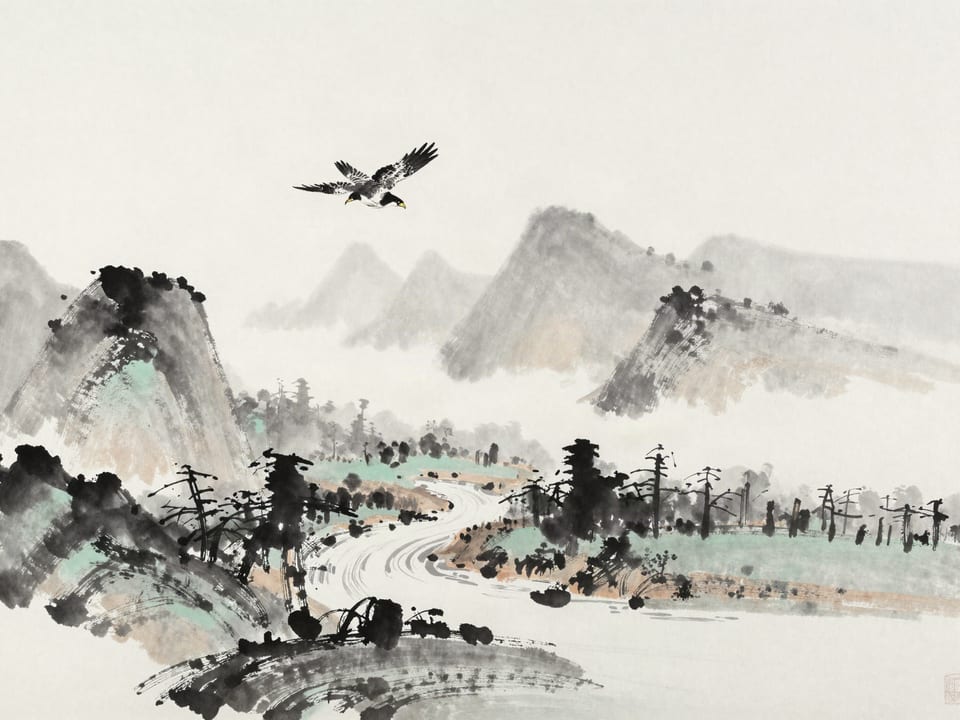
The falcon doesn’t flap harder than every other bird. It circles high, waits, and dives at exactly the right second. Timing beats hurrying — every time.

“The quality of decision is like the well-timed swoop of a falcon which enables it to strike and destroy its victim.”
Right timing makes the decisive strike possible.

A decision is not just about what to do, but when to do it. The falcon does not strike at every opportunity; it waits and strikes once, at the perfect moment. Timing is what converts a good move into a decisive one.

Ink wash painting: A lone falcon high above a misty valley, wings folding into a single decisive dive, a winding river far below.
This lesson, in full →
6

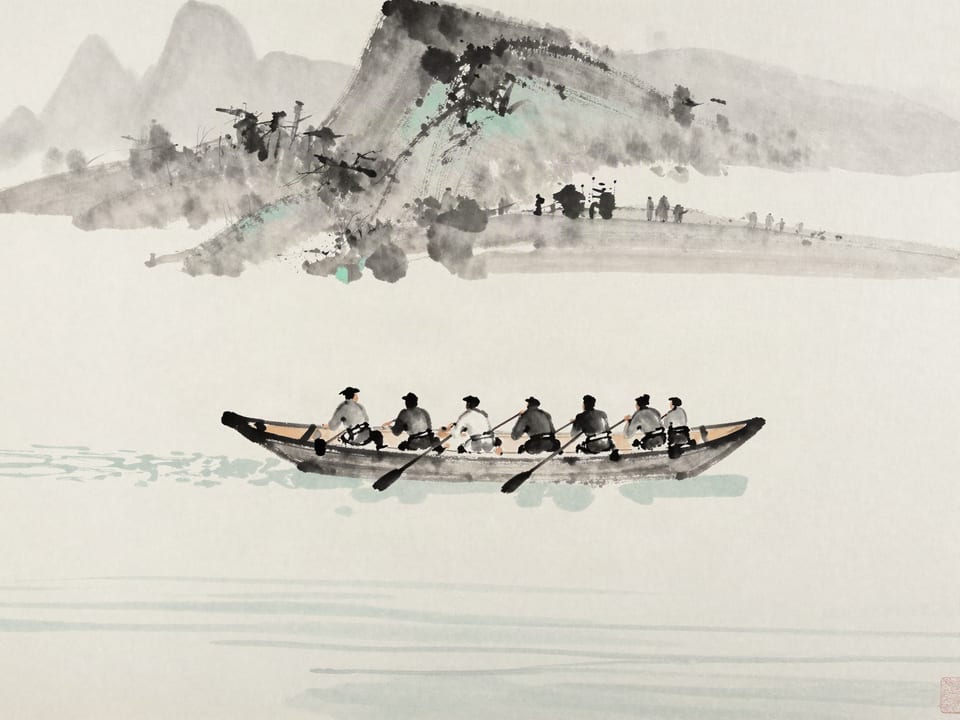
One body. A team where everyone does their own thing is not a team — it’s eleven kids near a ball. When the whole team moves as one, even smaller teams win.

“The host thus forming a single united body, it is impossible either for the brave to advance alone, or for the cowardly to retreat alone.”
Unity removes freelancing.

A truly unified force cannot have heroes or deserters act alone; the body moves as one.

Ink wash painting: A crew of rowers pulling in perfect unison, the longboat leaping forward as one creature.
This lesson, in full →
7

Water never argues with the rock — it goes around and keeps going. When the plan changes (rain-out, subbed out, moved seats), don’t shatter. Flow to the next path.

“Military tactics are like unto water; water runs away from high places and hastens downwards. So in war, avoid what is strong and strike at what is weak.”
Flow around strength to weakness.

Like water, take the path of least resistance to the weak point; do not batter the strong.

Ink wash painting: Rain finding every crack in a courtyard, pooling only where the ground lets it.
This lesson, in full →
8

Win first, then play. Imagine winning before you start — see yourself doing it right. Kids who picture the free throw going in have already practiced it one more time.

“Victorious warriors win first and then go to war, while defeated warriors go to war first and then seek to win.”
胜兵先胜而后求战,败兵先战而后求胜
Put yourself in a winning position before you act.

The outcome is largely determined before the contest begins. Sun Tzu separates "winning" (creating favorable conditions) from "fighting" (the visible contest). If you only start trying to win once the fight has begun, you have already lost the advantage.

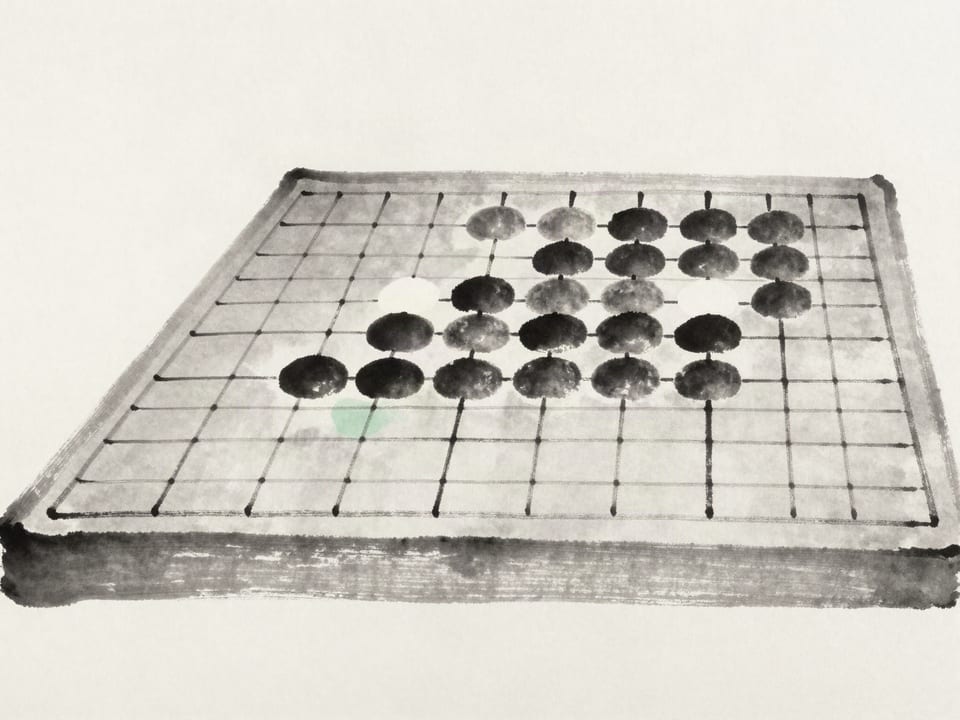
Ink wash painting: A go board mid-game, one side’s stones settled into quiet, inevitable order across half the board.
This lesson, in full →

Another path through the book