Preparation is the opposite of worry

Sun Tzu for Anxious Minds

The most quoted line in The Art of War is an anxiety treatment: know the enemy and know yourself, and you need not fear the result of a hundred battles. Need not fear. Sun Tzu’s whole system replaces dread with preparation — and this set collects the passages that do it most directly.

Read these slowly, one at a time. Each note translates the passage into the language of 3 a.m.: the email you’re dreading, the decision you keep deferring, the catastrophe your mind rehearses. None of them say “don’t worry.” All of them say: worry less because you prepared more.

10 lessons · every passage with its ink illustration · or read the whole thing →

1

Name it and it shrinks. Fear of a thing is almost always fear of a blur. Write down what you actually know about the situation and what you actually know about yourself — anxiety cannot survive a complete list.

“If you know the enemy and know yourself, you need not fear the result of a hundred battles.”
知彼知己,百战不殆
Information is the foundation of confidence.

Confidence without information is recklessness. Sun Tzu’s most famous line is a discipline of two-sided knowledge: understand your own strengths and limits, and understand the other side’s. With both, uncertainty shrinks and decisions become less fearful.
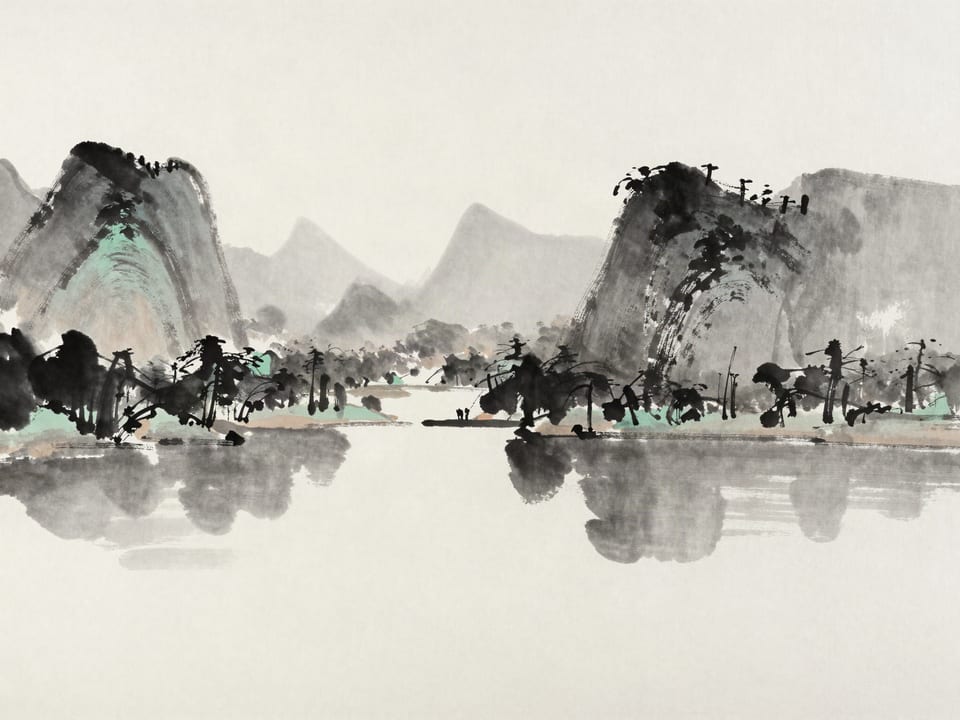
Ink wash painting: Two mountain peaks facing each other across a still river, perfectly mirrored in the water, equally matched.
This lesson, in full →
2

Count on your preparation, not on luck. “What if it happens?” becomes survivable the moment you finish the sentence: “…then I will do X.” A plan for the bad thing is worth more than a thousand hopes it never comes.

“The art of war teaches us to rely not on the likelihood of the enemy's not coming, but on our own readiness to receive him.”
Prepare for the act, not the probability.

Do not bet on the enemy staying away; bet on your own readiness to meet him if he comes.

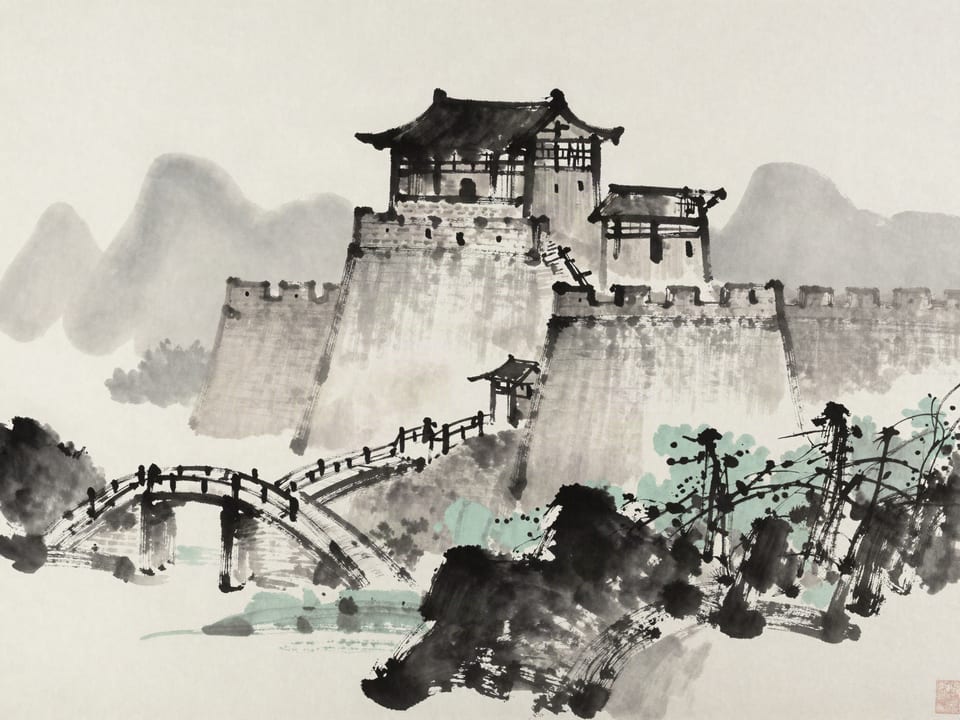
Ink wash painting: A castle with its drawbridge sound, gates oiled, watch set, whatever weather comes.
This lesson, in full →
3

Make the worst case impossible first. You don’t need courage for everything — just for the unsecured cliff edges. One boring afternoon of backups, insurance, and fallback plans buys months of sleep.

“The good fighters of old first put themselves beyond the possibility of defeat, and then waited for an opportunity of defeating the enemy.”
Make defeat impossible first.

Secure your own position before reaching for the win; survival creates the chance to strike.

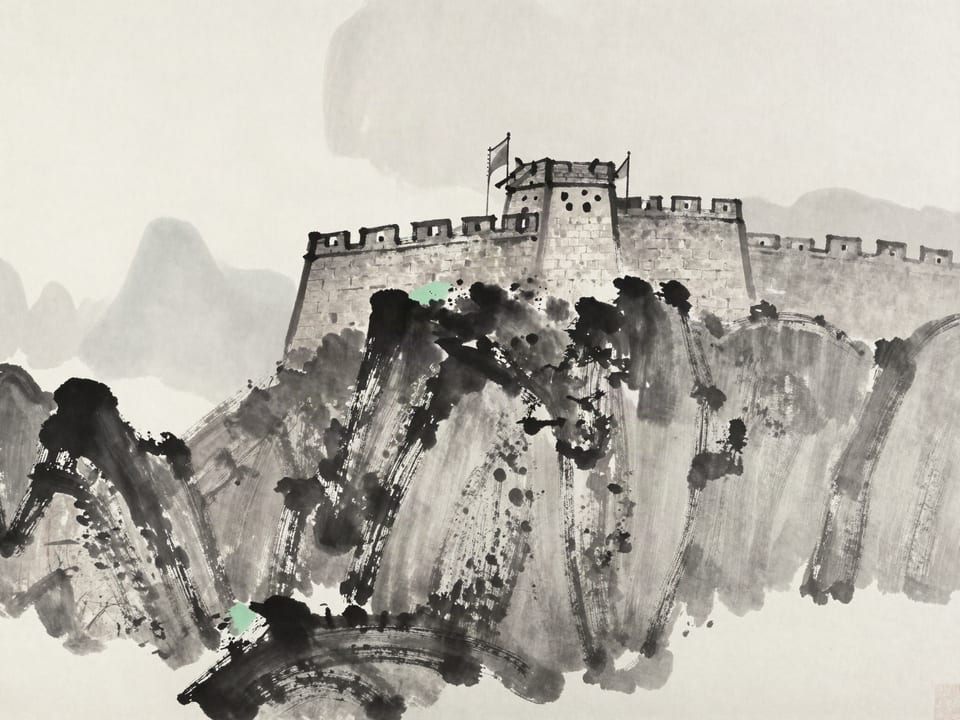
Ink wash painting: A stone fortress on a cliff, walls settled into rock, banners calm, storm breaking harmlessly below.
This lesson, in full →
4

Waiting is not stalling. The prepared person waiting for the right moment is doing something — loading the spring. Distinguish it from avoidance: waiting has a trigger; avoidance has a lock.

“He who is prudent and lies in wait for an enemy who is not, will be victorious.”
Prepare and wait for the unprepared opponent.

Patience is a weapon. The prepared party who waits for the right moment beats the unprepared party who rushes in. In markets and business, discipline — preparing and waiting — is itself an edge.

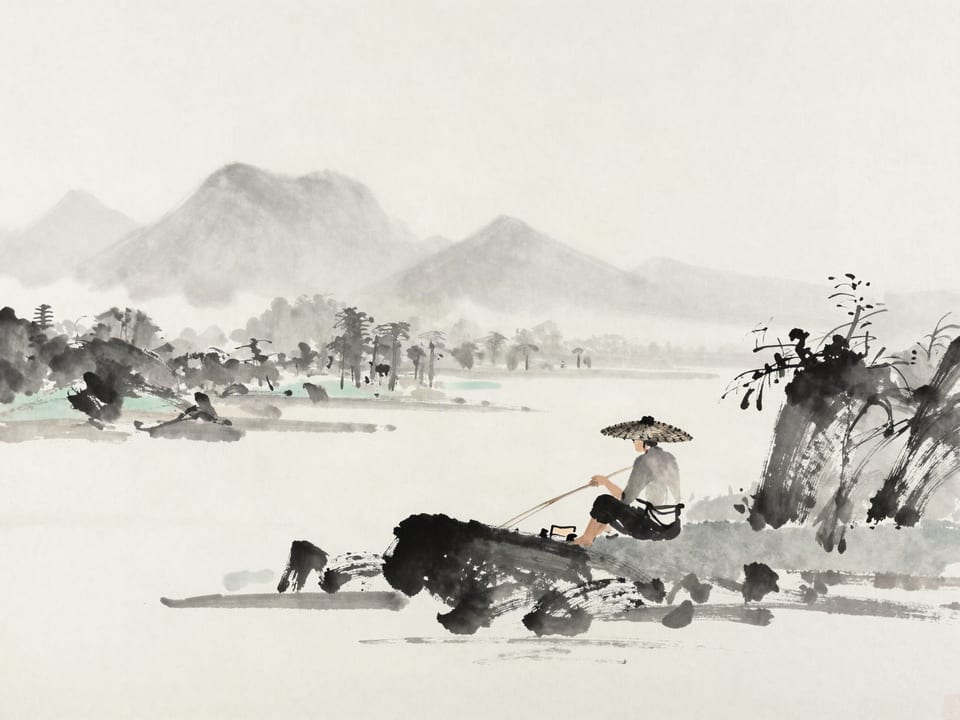
Ink wash painting: A fisherman seated motionless under a straw hat, rod steady, morning mist on an empty river.
This lesson, in full →
5

Rest is the draw of the bow. Sleeping, stepping back, doing nothing visible — these aren’t the opposite of dealing with it. Stored energy IS dealing with it. You cannot fire a crossbow you never drew.

“Energy may be likened to the bending of a cross-bow; decision, to the releasing of the trigger.”
Store energy, then release it.

Accumulate potential quietly and release it in a single clean act; do not release before the draw is full.

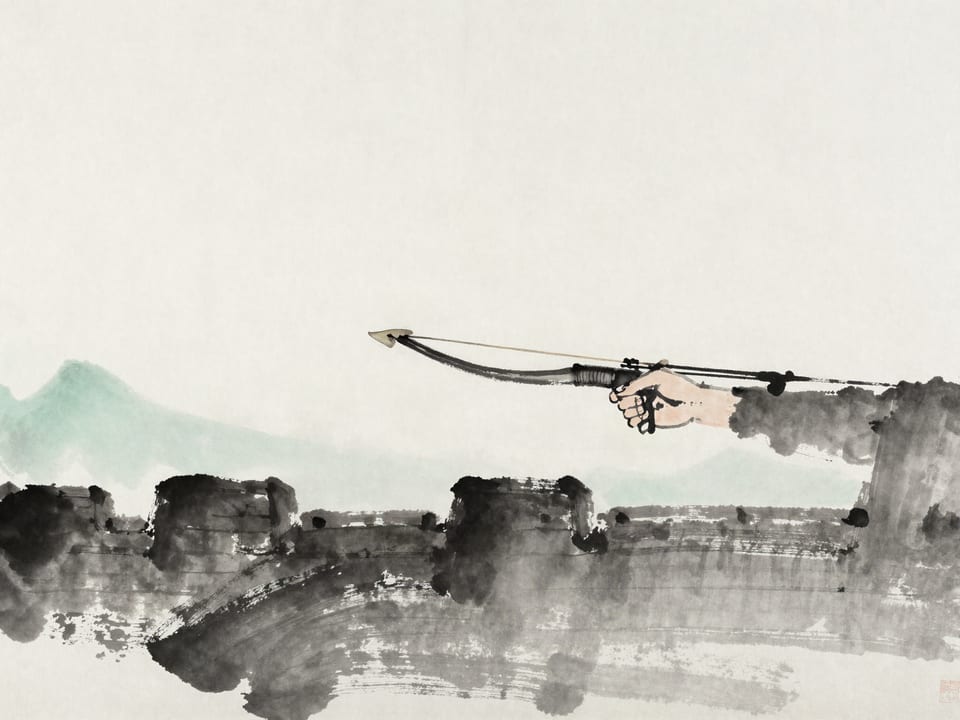
Ink wash painting: A crossbow drawn fully taut on a battlement, the bolt seated, a steady hand on the trigger.
This lesson, in full →
6

Endless deliberation has a bill. Deciding badly can be corrected; not deciding taxes you daily, forever, with interest. At some point, any well-prepared option beats the perfect one you never pick.

“Though we have heard of stupid haste in war, cleverness has never been seen associated with long delays.”
Protracted indecision costs more than decisive action.

Haste is a known mistake, but endless delay is worse. Sun Tzu’s point is not to rush, but that dragging things out is rarely clever — it bleeds resources and hands the initiative to the other side. Decide, then move.

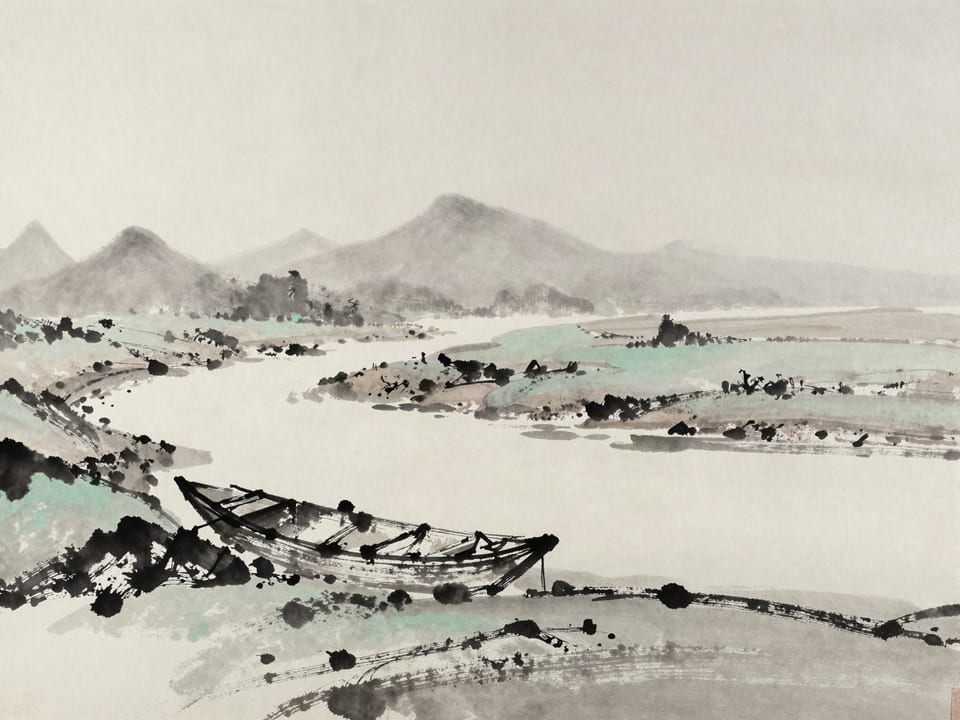
Ink wash painting: A dried-up riverbed with an abandoned boat, cracks spreading through the mud.
This lesson, in full →
7

Take the uncontested road when it exists. Ask honestly: is there a version of this with no fight in it at all? The empty path — direct conversation over drafted confrontation, one call over ten emails — is usually there.

“An army may march great distances without distress, if it marches through country where the enemy is not.”
Move through empty space.

The cheapest advance is through uncontested ground; avoid the friction of fighting for every mile.

Ink wash painting: A boat gliding across an empty stretch of river, sails full, no other craft in sight.
This lesson, in full →
8

Engage at your peak, not at your worst. The dreaded task at 11 p.m. is a different task at 10 a.m. after coffee. Don’t measure your capability by your weakest hour; schedule around it deliberately.

“A clever general avoids an army when its spirit is keen, but attacks it when it is sluggish.”
Attack the sluggish, avoid the keen.

Do not meet peak energy; wait for the dip, then strike where resistance is low.

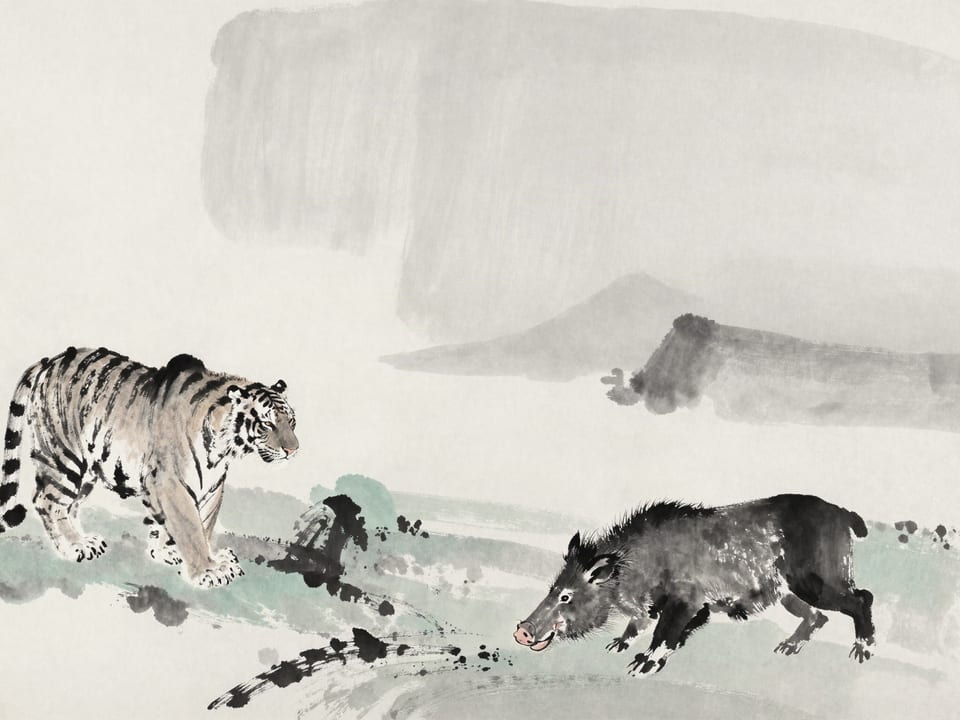
Ink wash painting: A tiger watching from cover as a boar drinks, exhausted, at the day’s end.
This lesson, in full →
9

You are allowed to decline. Not every disagreement, invitation, or expectation deserves a battle — refusing the wrong fights is not weakness, it’s rationing. You have a limited number; spend them on purpose.

“If equally matched, we can offer battle; if slightly inferior, we can avoid the enemy; if quite unequal, we can flee.”
Know when not to fight.

Courage is not the same as folly; retreat or avoidance is sometimes the only rational play.

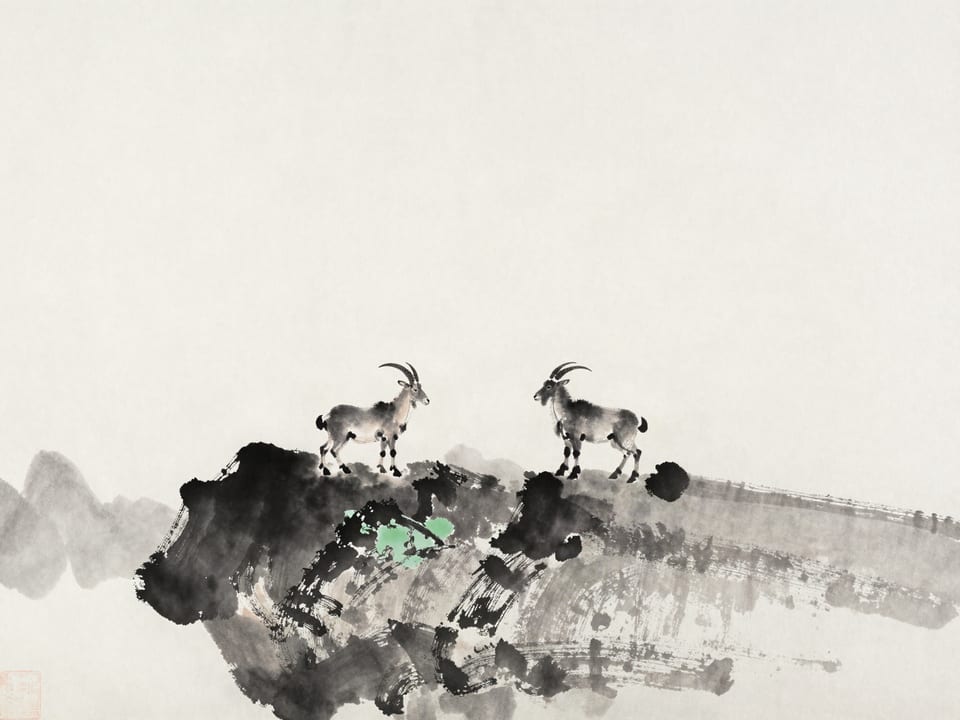
Ink wash painting: Two mountain goats facing each other on a narrow ridge, neither moving, a long drop between them.
This lesson, in full →
10

Do the winning work before the event. The presentation you rehearse five times is a different presentation. Anxious anticipation loves unprepared ground — take that ground away and it starves.

“The victorious strategist only seeks battle after the victory has been won, whereas he who is destined to defeat first fights and afterwards looks for victory.”
Win in the plan, then fight.

Fight only after the victory is already arranged by preparation; the loser hopes to find it mid-battle.

Ink wash painting: A calligrapher’s finished scroll already complete in his mind, brush hovering before the first stroke.
This lesson, in full →

Another path through the book