Strategy doesn’t check who’s holding it

Sun Tzu for Women

The Art of War was written for kings and generals. It never imagined you — which is exactly why it works: strategy belongs to whoever claims it. This set is curated for the rooms where the terms get set without you: the salary negotiation, the meeting where you’re interrupted, the calendar everyone else fills first.

These ten passages are the ones that land hardest: set the terms, be underestimated on purpose, keep some plans private, and spend your energy at its peak — not at everyone else’s convenience. The original text is untouched; the lens is yours.

10 lessons · every passage with its ink illustration · or read the whole thing →

1

Set the terms. The negotiation starts before you’re in the room — whoever fixes the time, the place, and the agenda has already won half of it. Arrive with the frame written.

“The clever combatant imposes his will on the enemy, but does not allow the enemy’s will to be imposed on him.”
Drive the situation; do not be driven by it.

The strategic initiative is everything. The side that sets the tempo and the terms forces the other to react; the side that merely reacts is always one step behind. Win by making your opponent respond to you.
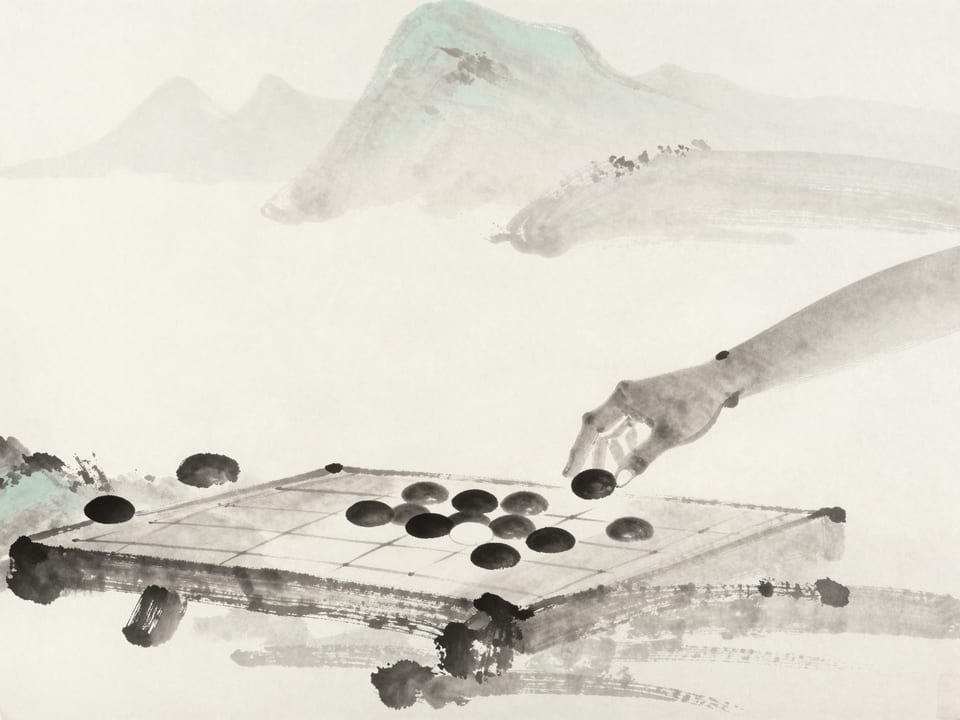
Ink wash painting: A single hand moving a go stone onto the board while all other pieces wait untouched.
This lesson, in full →
2

Being underestimated is a position, not an insult. If they expect less, every reveal is an advantage. The mistake is spending energy correcting their perception early — let the work do it late.

“When able to attack, we must seem unable; when using our forces, we must seem inactive; when we are near, we must make the enemy believe we are far away; when far away, we must make him believe we are near.”
能而示之不能,用而示之不用,近而示之远,远而示之近
Shape perception before you act.

Your actual capability and your apparent capability are two different levers. Sun Tzu advises you to look weak when strong, and distant when near, so the other side misjudges and moves against an illusion.

Ink wash painting: A calm lake at dusk hiding strong currents beneath, only faint ripples betraying the depth.
This lesson, in full →
3

Keep some plans private until they’re real. Announcing the raise ask, the launch, the leave — every announcement invites commentary you didn’t budget for. Decide, build, then tell.

“The spot where we intend to fight must not be made known; for then the enemy will prepare against a possible attack at several points.”
Hide the battleground.

If the opponent knows where you will strike, he defends everywhere and meets you prepared; keep it secret.

Ink wash painting: A lake at night hiding where the shore lies, lanterns on the far bank only hints.
This lesson, in full →
4

Know your side, not just theirs. Researching the company, the market, the counterpart — and never writing down what you’re worth — is half a strategy. The other half is internal.

“If you know yourself but not the enemy, for every victory gained you will also suffer a defeat.”
Half the picture still loses.

Knowing only yourself leaves you blind to the other side's moves; every win is paid for elsewhere.

Ink wash painting: A swordsman examining his own reflection in still water, the far bank lost in fog.
This lesson, in full →
5

Fight on merit, not on pressure. If it’s right, do it even when they say don’t; if it’s wrong, decline even when they insist. Sun Tzu gives the general permission to refuse the king — take the same permission.

“If fighting is sure to result in victory, then you must fight, even though the ruler forbid it; if fighting will not result in victory, then you must not fight even at the ruler's bidding.”
Fight on the merit, not the order.

The decision to fight rests on predicted victory, not on who commands it; courage is refusing bad fights too.

Ink wash painting: A general calmly holding his army at the sovereign’s gesture while the tide plainly turns his way.
This lesson, in full →
6

Your peak hours are a strategic resource. Spend your sharpest hour on your most important work — not on other people’s meetings. Timing your energy is not selfish; it’s the whole game.

“A soldier's spirit is keenest in the morning; by noonday it has begun to flag; in the evening, his mind is bent only on returning to camp.”
Strike on the rising spirit.

Force has a rhythm; engage when your spirit is high and the opponent's is low.

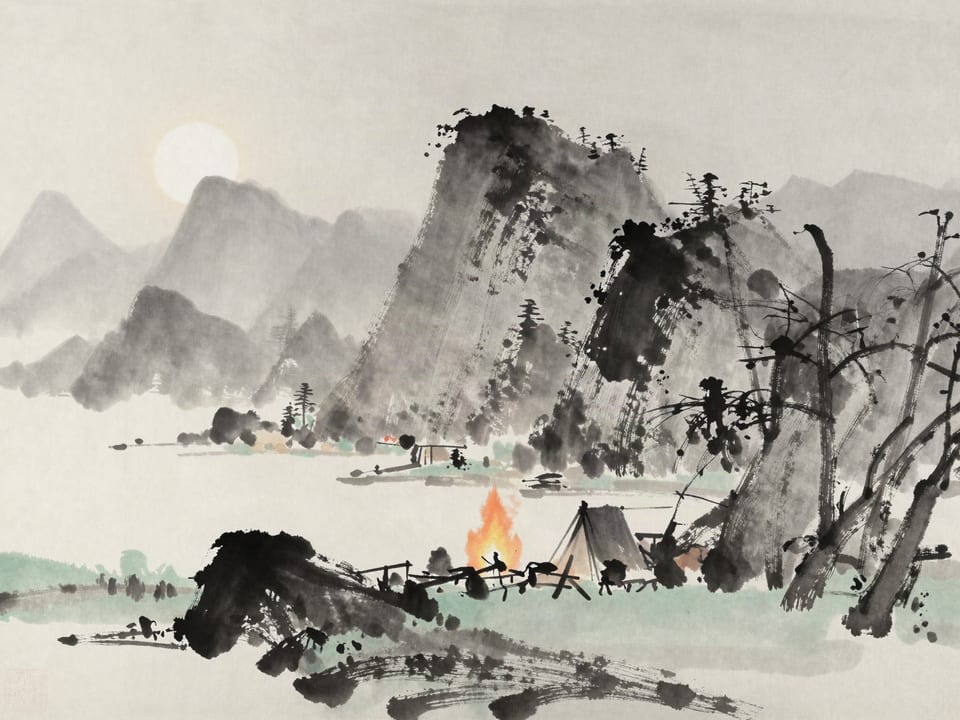
Ink wash painting: A camp at first light, energy rising with the sun; evening would find the same fires burning low.
This lesson, in full →
7

Go where nobody’s looking. The contested, glamorous lane is crowded by design. The unguarded opportunity — the unsexy project, the unowned problem — is where small forces win.

“You can be sure of succeeding in your attacks if you only attack places which are undefended.”
Attack only the open.

Certainty comes from hitting the unguarded; do not gamble against prepared defense.

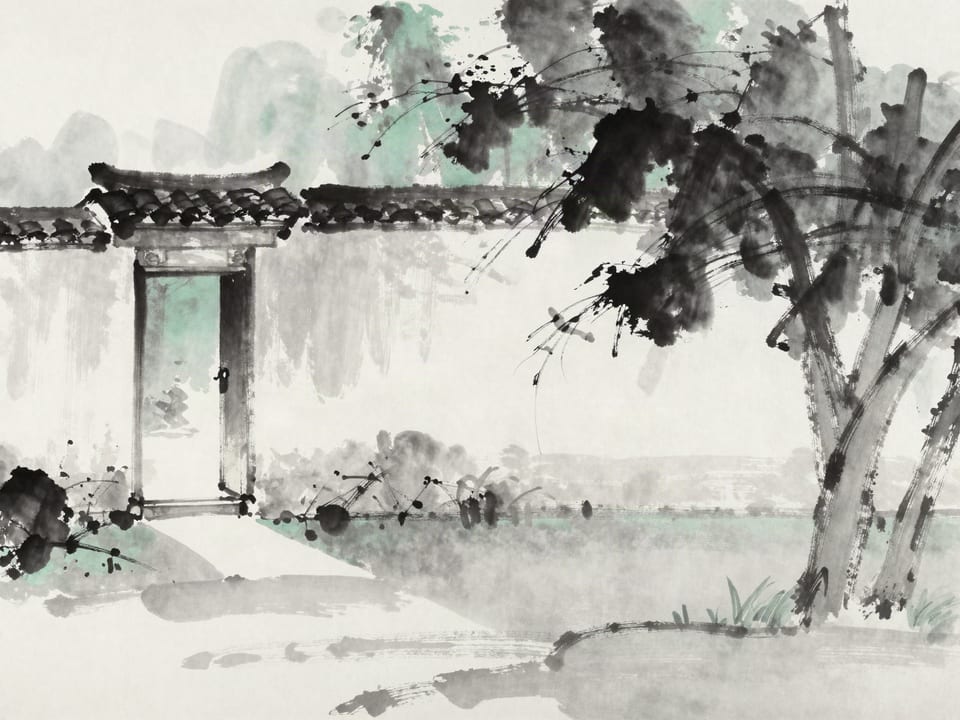
Ink wash painting: A gate left open in a garden wall, morning light spilling through, no one watching.
This lesson, in full →
8

Never bluff what you don’t hold. Feigned weakness requires real strength — a real alternative, real savings, a real walk-away. Build the substance first; the perception follows free.

“Simulated disorder postulates perfect discipline; simulated fear postulates courage; simulated weakness postulates strength.”
Feigned states require real ones.

To fake weakness convincingly you must truly hold strength; the pretense is proof of the real thing.

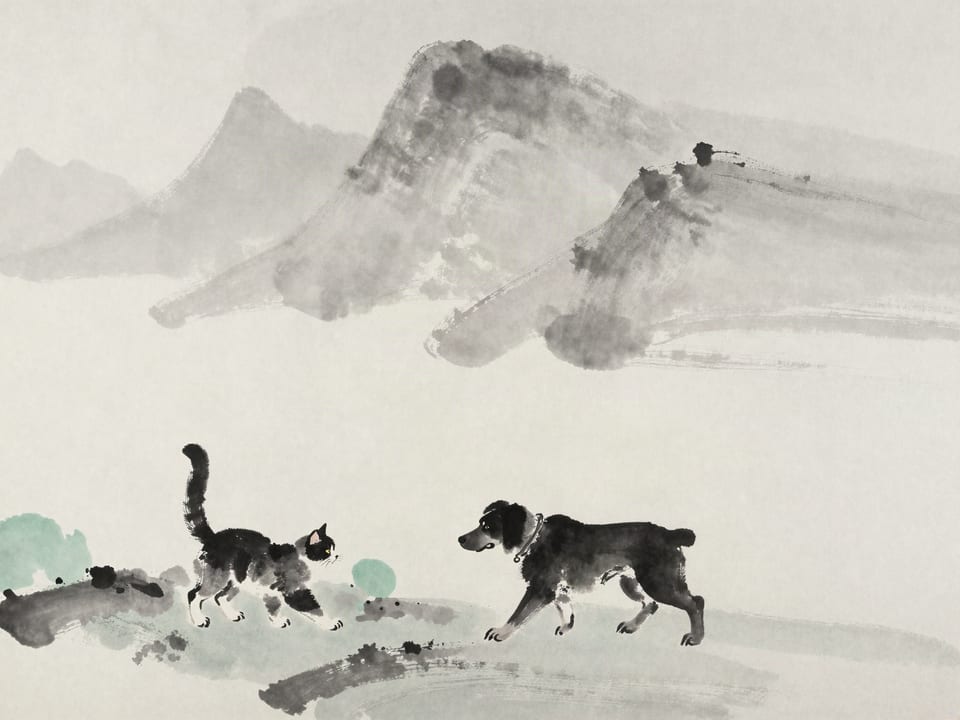
Ink wash painting: A cat arching small before a dog, then walking past it unmolested, tail high.
This lesson, in full →
9

Let them exhaust themselves. Nearness beats motion: be close to what matters while others sprint in circles. Conserving your energy while they burn theirs is not laziness — it’s position.

“To be near the goal while the enemy is still far, to wait at ease while the enemy is toiling: this is the art of husbanding one's strength.”
Let the opponent exhaust himself.

Force the rival to spend while you conserve; proximity and rest are weapons of attrition.

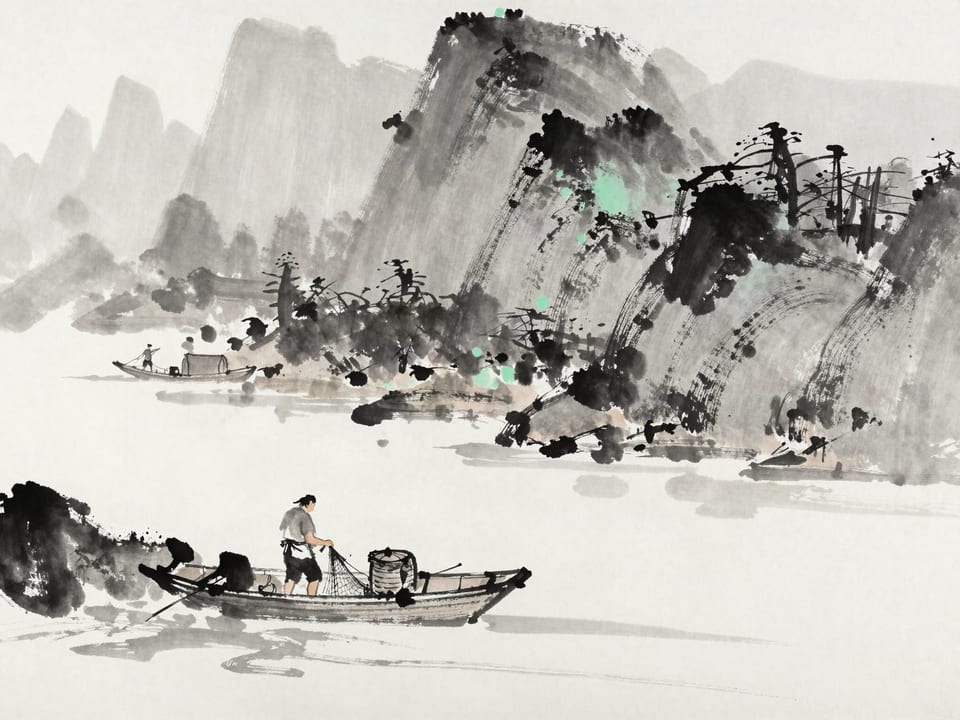
Ink wash painting: A fisherman mending his net in the shade while other boats race the current downstream.
This lesson, in full →
10

The best wins don’t look impressive. Preventing the disaster, quietly fixing the process, de-escalating the crisis — nobody applauds. Do them anyway; the quiet ones compound.

“His victories bring him neither reputation for wisdom nor credit for courage.”
Easy wins look like nothing.

The best victories appear effortless and earn no praise; do not confuse recognition with effectiveness.

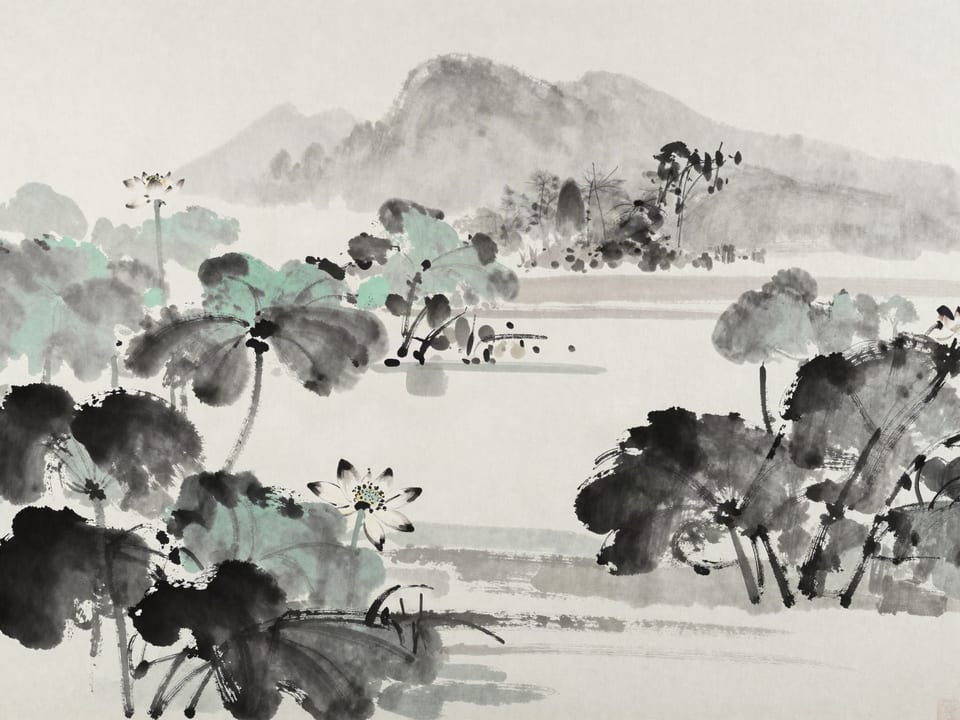
Ink wash painting: A quiet gardener’s pond with perfect lotus blooms, no visitors, the path untrodden.
This lesson, in full →

Another path through the book